






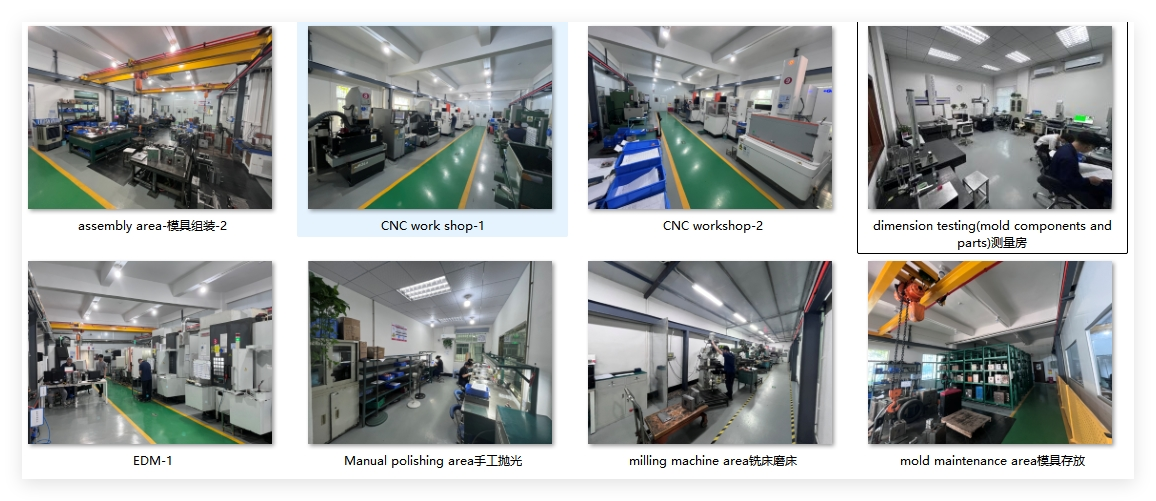

Custom molding supplier: This article explains the key design, material, process, quality, and production considerations that engineers and sourcing teams should evaluate.
Every mold factory says they have experience.
The hard part is figuring out who actually does — and who is just talking.
Here‘s what real experience looks like in our trade. Not from a textbook. From years of making mistakes, fixing them, and learning the hard way.
1. Design Experience – They Spot Problems Before the Steel Is Cut
An experienced engineer can look at a 3D drawing and see trouble coming.
- Will this be hard to machine?
- Will the mold be a pain to fit?
- Will this ejector pin snap after 10,000 shots?
An inexperienced engineer draws what looks good on screen. Then you find out it’s impossible to machine, or the fit takes hours, or it breaks after a week.
How to tell?
Ask for a DFM report before they start cutting steel. If they give you one that actually points out risks — not just “no problem, we can do it” — that‘s a good sign.
2. Material Selection – Not “Whatever the Customer Says”
Different parts need different mold steels.
- General purpose? P20 or 718.
- High wear areas? H13 or SKD61.
- Corrosive materials or optical parts? S136.
Good steel is not always the most expensive. Cheap steel is not always a bargain.
How to tell?
Ask: “Why did you choose this steel for my part?” If they can explain the reason, they know what they‘re doing. If they just say “we always use this one,” be careful.
3. Process Experience – Knowing What to Do and When
Mold making is not just “load the program and press start.”
- Rough cutting → heat treatment → semi-finishing → finish machining → assembly → trial
Get the sequence wrong, and the mold warps. Dimensions drift. Life shortens.
How to tell?
Ask about their process flow. Do they have clear checkpoints? Or do they just promise “fast delivery” without explaining how?
4. Trial Experience – They Know How to Tune, Not Just Turn Knobs
Sink marks. Weld lines. Burns. Warpage.
An experienced technician knows where to add venting, how to balance filling, when to adjust cooling.
An inexperienced one just turns up pressure, speed, and temperature — and hopes for the best.
How to tell?
Ask: “What was the most difficult part you’ve ever molded, and how did you solve it?” Someone with real experience will tell you the story. Someone without it will just say “we figured it out.”
5. Problem Prevention – Catch It Early, Not After the Mold Is Built
The worst time to find a problem is after the mold is finished.
- Ejection not balanced
- Cooling lines don‘t fit
- Sliders interfere with each other
Experienced shops catch these at the design stage. Inexperienced shops catch them on the trial press — and then you pay for the fix.
How to tell?
Look at their DFM report. Does it only say “everything looks fine”? Or does it actually call out potential risks and suggest solutions?
6. Customer Communication – They Ask “Why”, Not Just Say “Yes”
Suppliers who have been around ask questions.
- “Your drawing calls for this dimension — what‘s the actual assembly requirement?”
- “This draft angle is a bit tight. Can you confirm if we can increase it?”
- “Ejector pin marks on this surface — is that acceptable?”
They don’t just nod. They want to get it right, not just get the order.
How to tell?
Do they ask questions? If they say yes to everything and question nothing, either they haven‘t been burned yet, or they’re just trying to win the job at any cost.
The Bottom Line
A long equipment list doesn‘t guarantee a good mold. A good track record and the right questions do.
Next time you’re talking to a potential mold partner, ask a few questions:
- “Can you share a DFM example from a similar project?”
- “What‘s the toughest molding problem you’ve solved?”
- “Why would you use this steel for my part?”
If they can answer honestly — with real stories, not sales talk — you‘ve found someone who knows what they’re doing.
We‘ve been there. We’ve made the mistakes. We‘ve fixed them. And we’d rather help you avoid them than bill you for the repairs.
👉 Let‘s talk if you’re looking for a mold partner who has actually been through it.