








9 Plastic Molding Processes – How Injection Molding Compares
Compare nine plastic processing methods and learn when injection molding is the right choice for part geometry, quality, tooling, and production volume.


Compare nine plastic processing methods and learn when injection molding is the right choice for part geometry, quality, tooling, and production volume.

Compare common injection molding materials and learn how to choose a plastic grade for performance, processing, compliance, production, and total cost.

Learn how nano injection molding joins treated metal and engineering plastic, including process steps, materials, mold design, testing, benefits, and risks.

China has thousands of injection mold manufacturers, but they do not all serve the same type of project. A supplier that is strong in automotive tooling may not be the best fit for a startup consumer product, a thin-wall packaging…

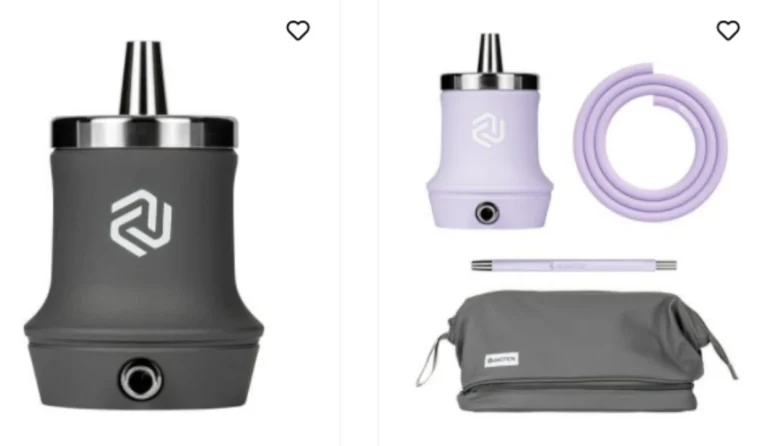
At the end of 2020, a hookah brand contacted Rilong with an initial product design and a specific surface requirement: the molded plastic housing needed a soft-touch finish rather than the feel of conventional rigid plastic. The project soon developed…

A US customer approached Rilong with a working prototype for a hair styling device that applies decorative crystal gems to hair. The customer needed more than an injection molding supplier: the project required design refinement, plastic component production, crystal-disc manufacturing,…

An injection molding mold, also known as a tool or die, is a crucial component in the plastic injection molding process. It is responsible for shaping and forming molten plastic into the desired part. Typically, molds are manufactured using steel or aluminum to ensure…

Injection molding defects typically arise from four factors: material, process, mold, and machine. This guide covers 28 common defects, prioritized for quick on-site troubleshooting. Part 1: Surface/Appearance Defects Defect Description Key Solutions 1. Sink Marks Local surface depression Increase pack/hold pressure…

Every mold factory says they have experience.The hard part is figuring out who actually does — and who is just talking. Here‘s what real experience looks like in our trade. Not from a textbook. From years of making mistakes, fixing…

1. The Problem: Why Do Molds Often “Misbehave” After Transfer? The mold is finished, shipped, and arrives at the customer‘s factory. Then the team puts it on the machine — and problems show up: Does this mean the mold was…

1. The Problem: The Long‑Standing Challenge of Undercut Ejection In parts with undercut features, conventional forced ejection often leads to a series of issues: surface scratches, sticking, stress whitening, and even direct scrap. The root cause is simple: the part is…

In the injection molding of fan blades, cooling design is a critical factor affecting product quality, dimensional stability, and production efficiency. Fan blades typically feature a thick central hub and thin blades, creating significant wall thickness variation. This often leads to uneven cooling,…