







Plastic surface finishing techniques: This article explains the key design, material, process, quality, and production considerations that engineers and sourcing teams should evaluate.
Injection molding brings your product to life—but surface finishing gives it soul.
For plastic parts, the real differentiator between “ordinary” and “premium” often lies in the post-molding treatment. The same ABS or PC material can feel like metal, ceramic, or soft leather depending on the finishing process applied.
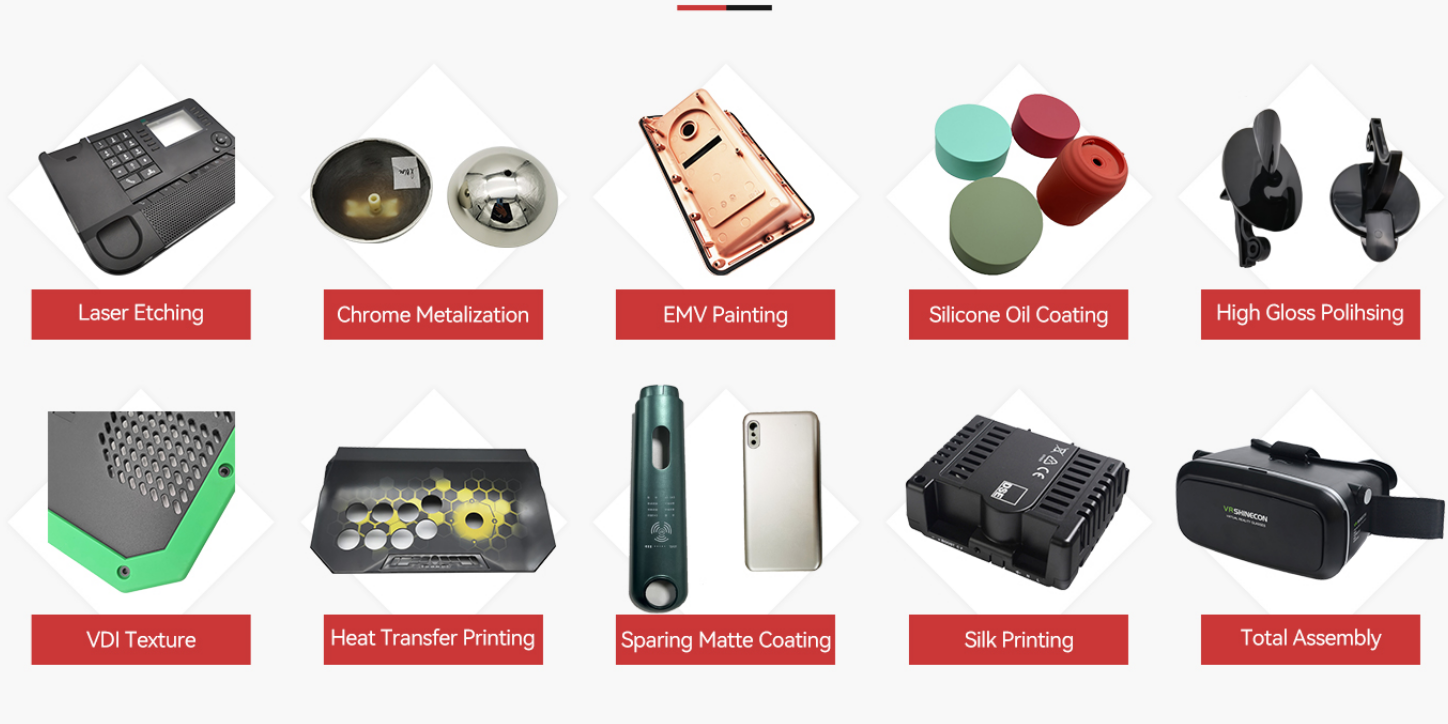
Here are 7 key surface finishing techniques that transform standard plastic into high-end products:
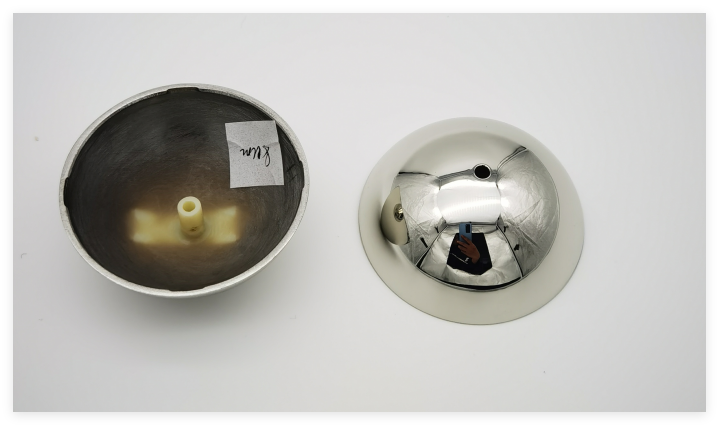
1. Vacuum Metalizing/Plating How it works: Depositing a thin metallic layer (0.01-0.1 microns) onto plastic surfaces through evaporation or sputtering in a vacuum chamber.
Finishing Upgrade: Creates mirror-like shine or brushed metal effects that are nearly indistinguishable from real metal. Best for: Decorative trims, automotive interiors, cosmetic packaging.
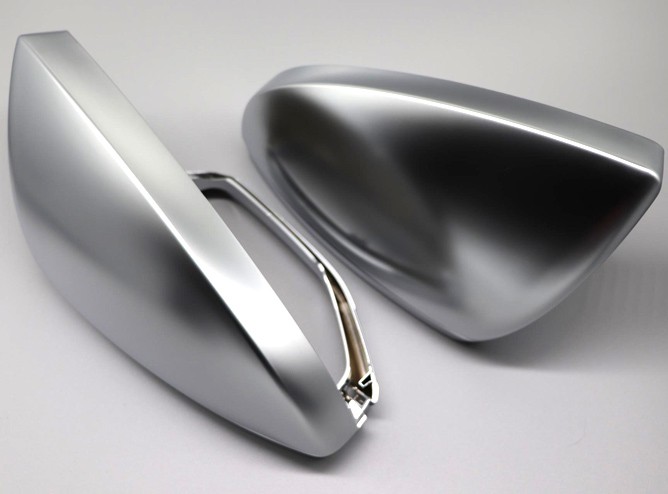
2. Spray Painting (Metallic/Matte/UV Coating) How it works: Applying PU paint, UV coating, or soft-touch paint via spray equipment.
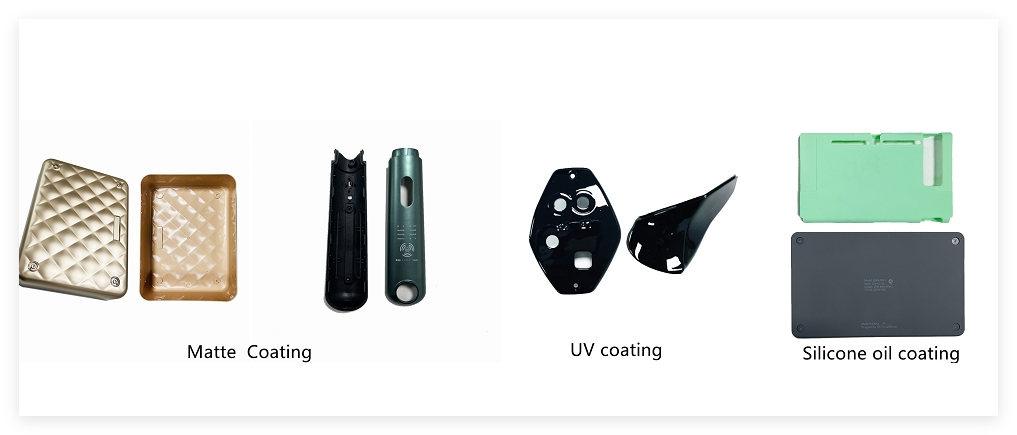
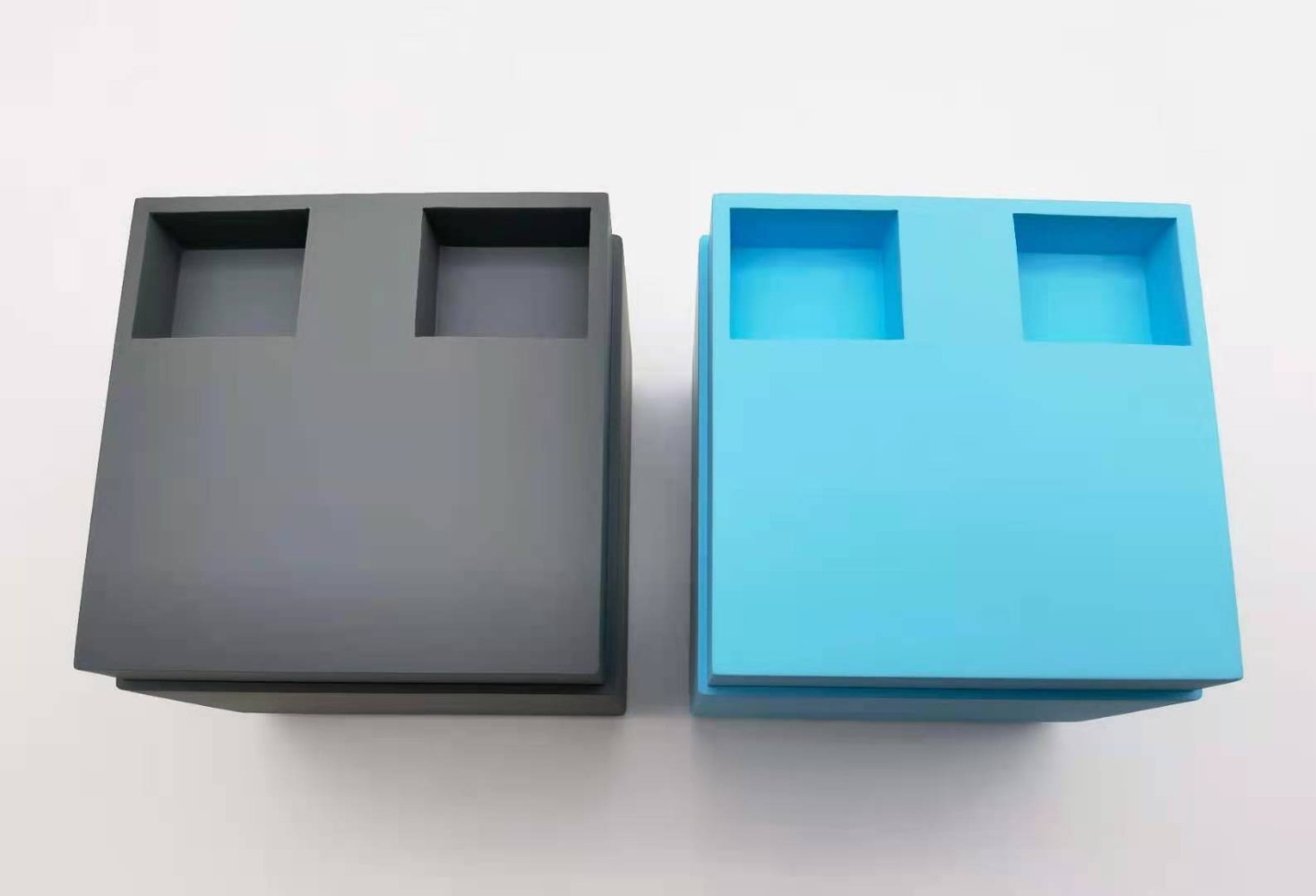
Finishing Upgrade: Delivers uniform color, smooth tactility, matte elegance, or pearlescent effects. UV coating adds exceptional hardness and chemical resistance. Best for: Consumer electronics, home appliances, automotive parts.
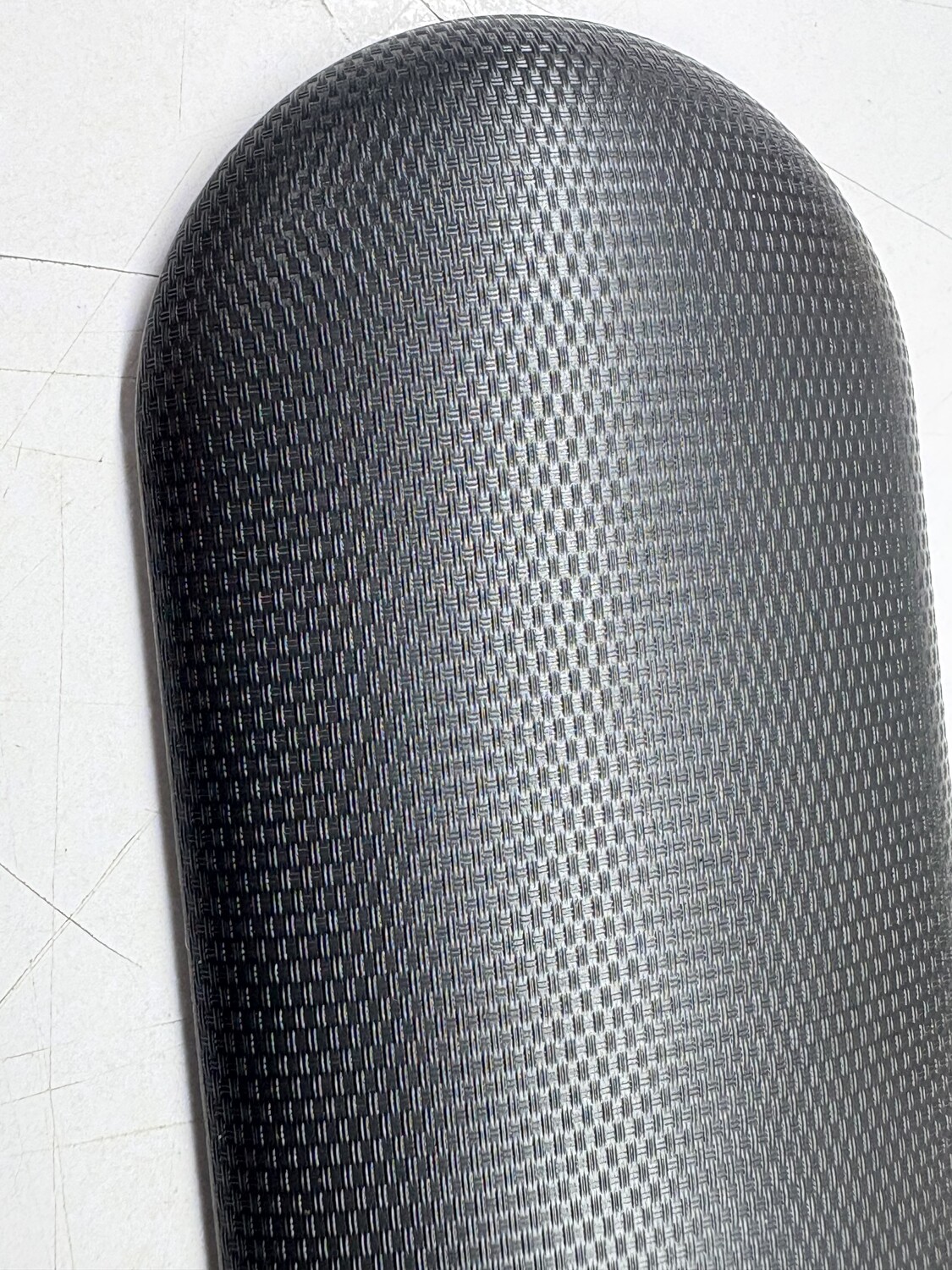
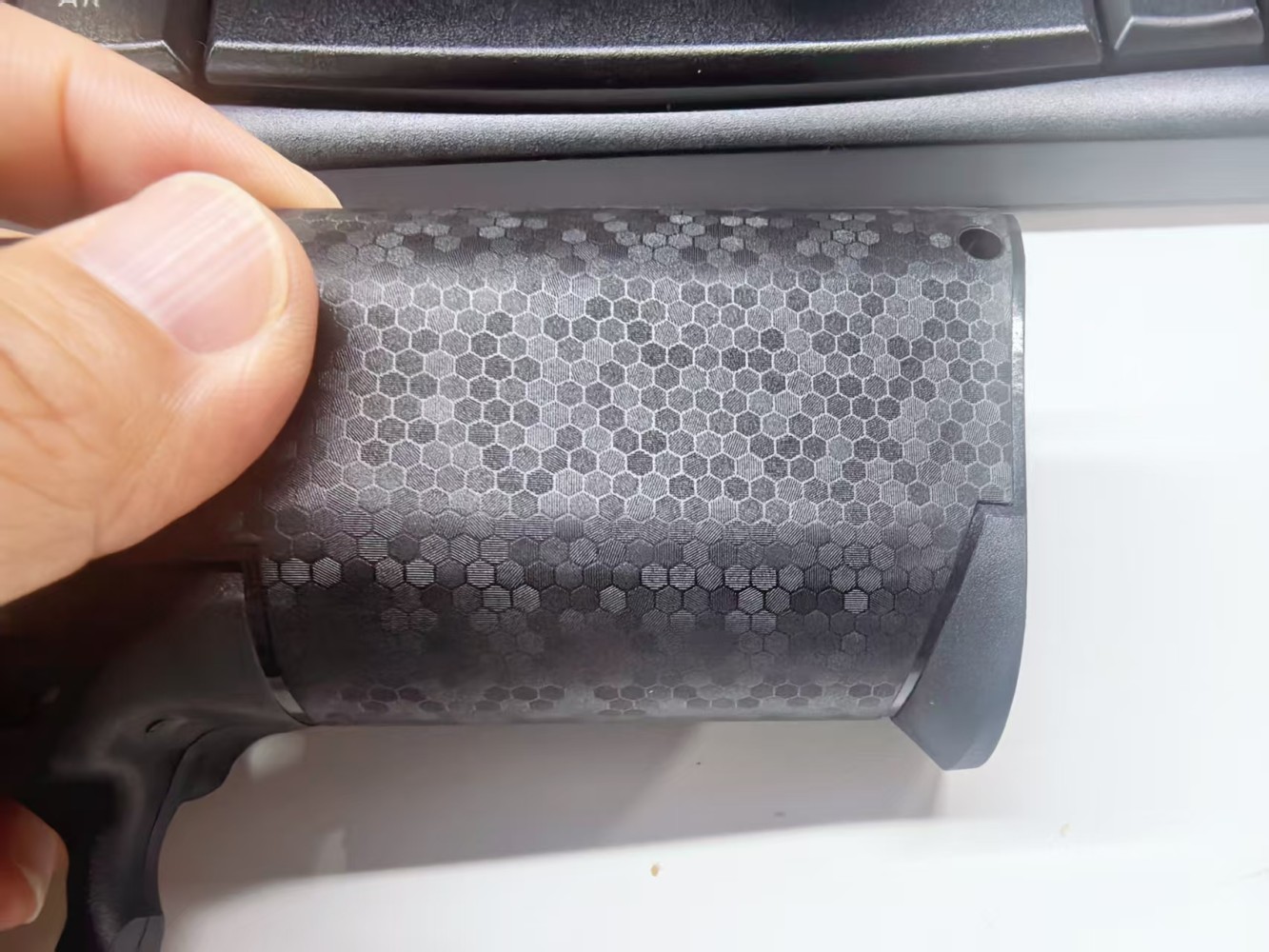
3. Texturing/Etching How it works: Chemically etching patterns into the mold surface, which transfer to the plastic part during molding. Texture Upgrade: Mimics leather, fabric, wood grain, or sandstone—eliminating that “plasticky” feel while improving grip and hiding fingerprints. Best for: Device enclosures, dashboards, grip handles.
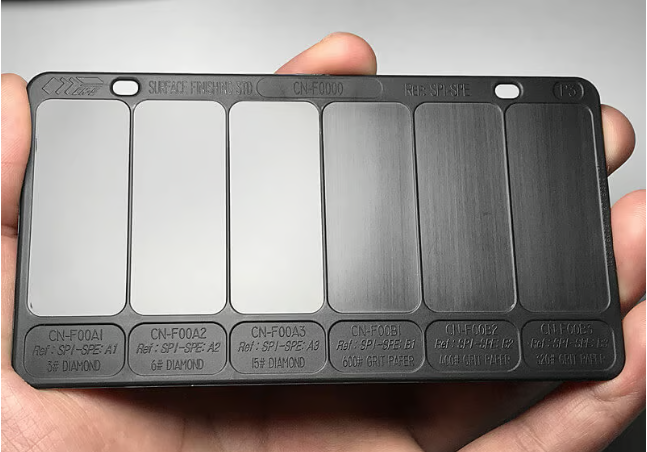
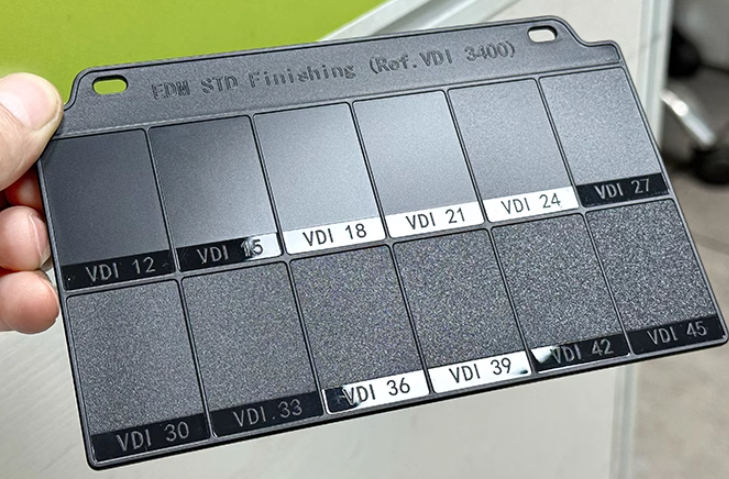
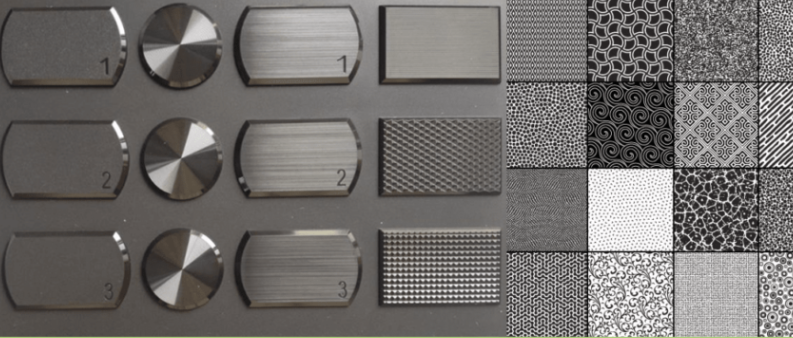
4. Laser Engraving How it works: Using laser energy to precisely remove top coatings or etch the plastic surface.
Texture Upgrade: Achieves ultra-fine lines, backlit characters, or gradient metallic effects. Permanent and wear-resistant. Best for: Keyboard legends, backlit logos, control panels.
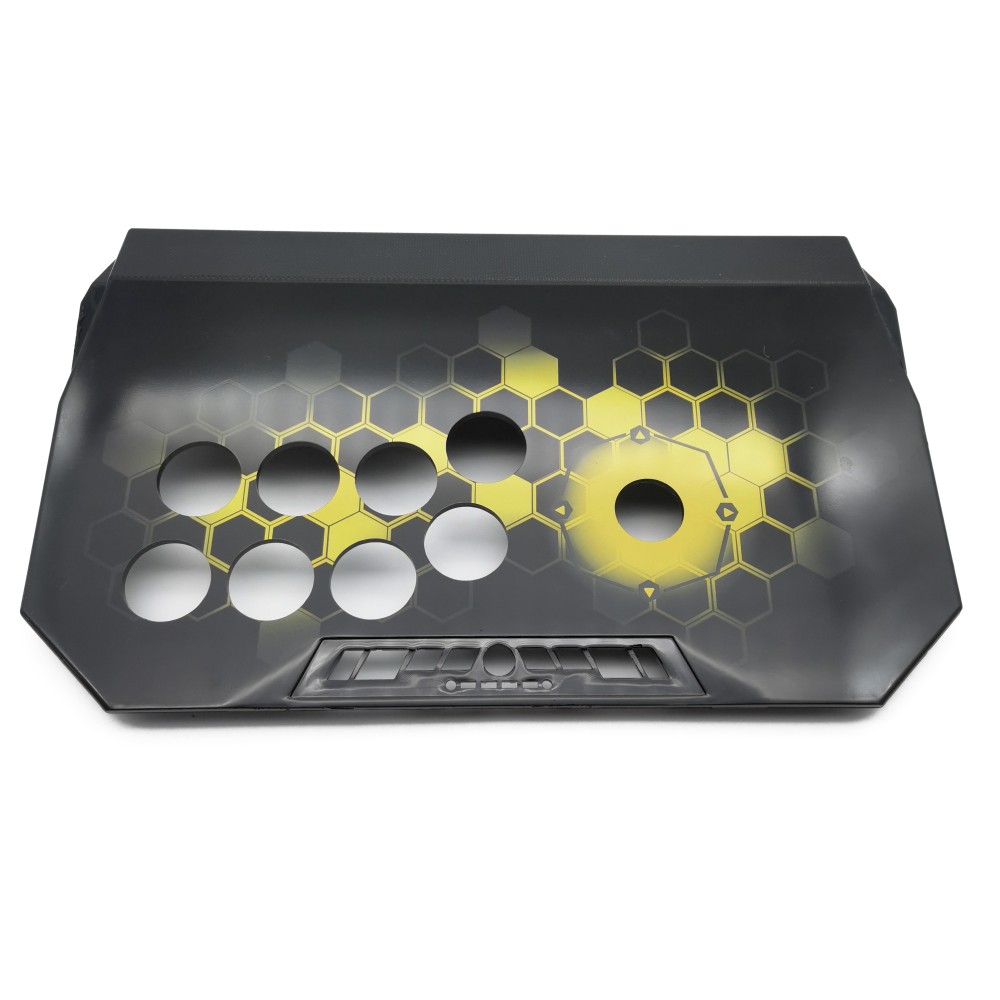
5. Silk Screen / Pad Printing How it works:* Transferring ink onto specific areas through mesh screens (silk screen) or silicone pads (pad printing).
Finishing Upgrade: Enables multi-color branding, complex patterns, and durable markings at low cost. Best for: Brand logos, function indicators, decorative patterns.
6. High-Gloss Polishing How it works:* Mechanically buffing or flame-polishing the plastic surface to reduce roughness.
Finishing Upgrade: Creates crystal-clear transparency (for PMMA/PC) or mirror-like gloss, approaching glass-like aesthetics. Best for: Transparent trims, display stands, light covers.
7. Water Transfer / Heat Transfer Printing How it works:* Using water pressure (water transfer) or heat/ pressure (heat transfer) to apply pre-printed patterns onto 3D surfaces.
Finishing Upgrade: Applies complex patterns like carbon fiber, wood grain, or camouflage that are impossible to mold directly. Best for: Sporting goods, automotive trims, specialty packaging.
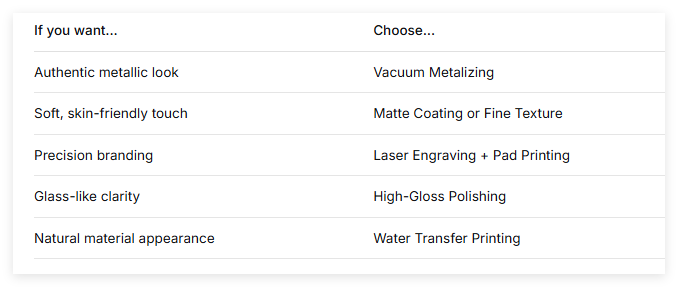
Quick Selection Guide:
Surface finishing isn’t just an afterthought—it’s an extension of your product design language.
What surface quality matters most for your next project? Share your thoughts below. 👇
#Manufacturing #SurfaceFinishing #ProductDesign #InjectionMolding #IndustrialDesign