






Overmolding and Insert Molding
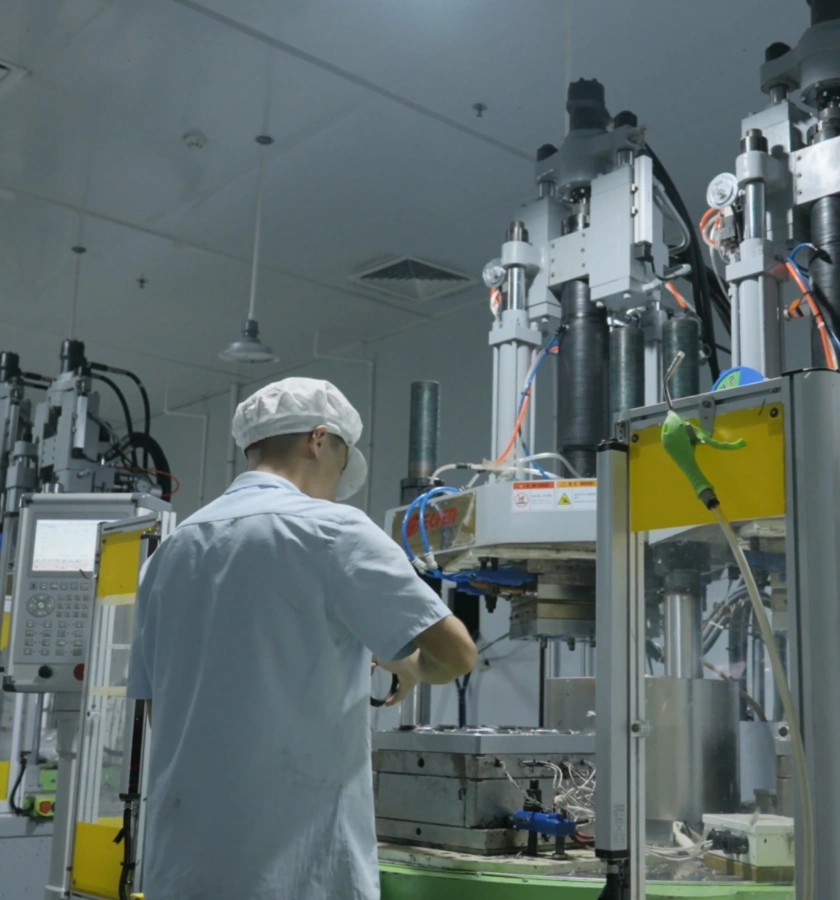
Enhancing Your Products by Overmolding
With advanced technical skills and extensive material knowledge, we can tackle the most complex and demanding projects.
Overmolding & Insert Molding of Exquisite Quality
Materials of Overmolding and Insert Molding
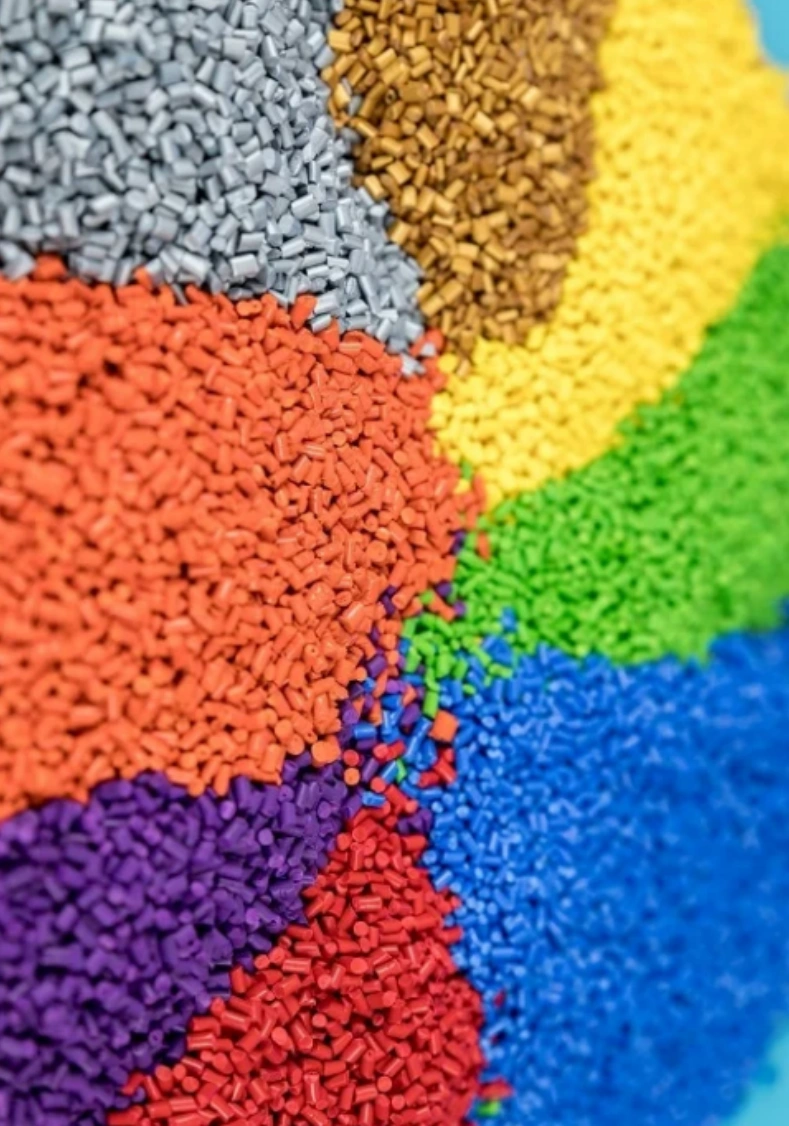
The General materials listed below are for custom insert and over-molded plastic injection.
The general rubber over-molding and insert molding materials are listed below:
If standard materials don’t meet the requirements for your custom injection molding parts, additives and fibers can enhance the material properties.
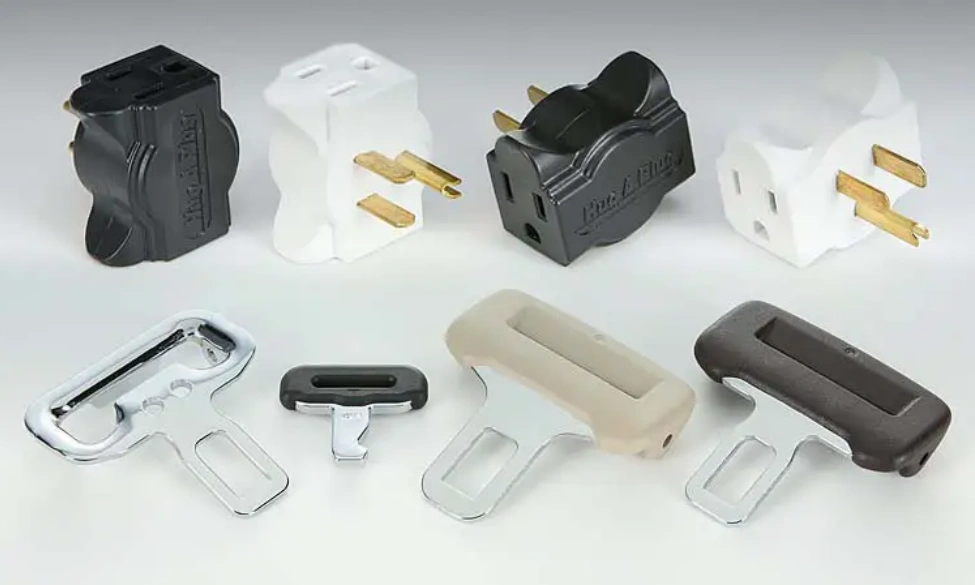
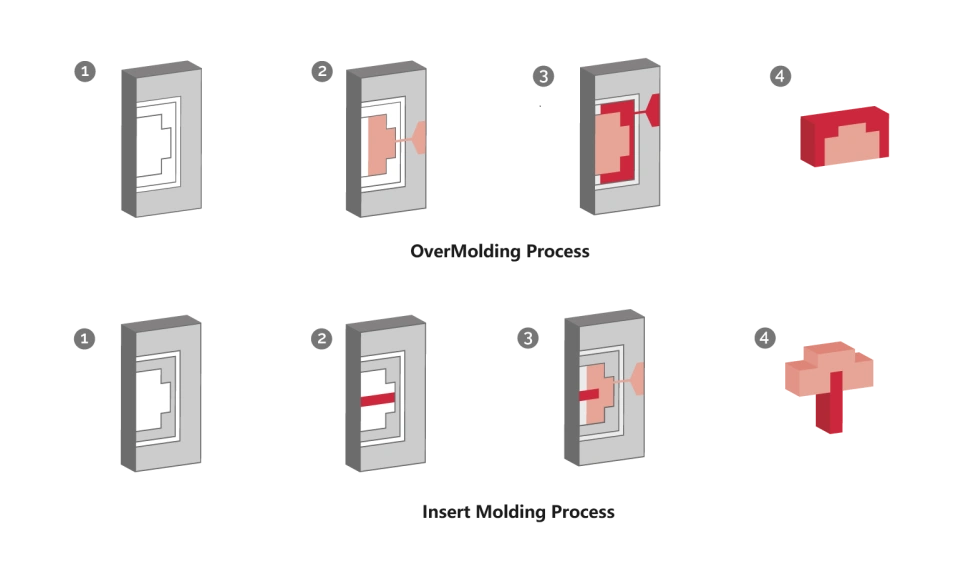
Overmolding vs Insert Molding
The overmolding and insert molding processes are specialized injection molding techniques used to integrate multiple materials or components into a single molded part.
Overmolding
Overmolding molds a material layer over an existing part to enhance aesthetics, grip, or functionality. After substrate parts are molded, they are manually placed into the overmold tooling for thermoplastic or silicone rubber molding.
It is commonly used for tool handles, electronic device covers, toothbrushes, and razors. It’s ideal for creating parts with a soft, flexible outer layer over a rigid base
Insert Molding
Insert molding is a similar process, but it involves using a preformed part, often made of metal, which is placed into the mold. This preformed part is then overmolded with a thermoplastic resin to create the final component.
Suitable for applications requiring strength and conductivity, such as electrical components, automotive parts, and medical devices. It’s used to enhance the structural integrity and durability of the final product.
Overmolding Capabilities at a Glance
One manufacturing partner for design review, moldmaking, material selection, molding, inspection, assembly, and shipment.
Overmolding
Rigid substrates combined with TPE, TPU, silicone, or a second compatible resin for grip, sealing, cushioning, insulation, protection, or appearance.
Insert Molding
Metal inserts, threaded components, contacts, magnets, sensors, or other prepared components positioned and encapsulated during molding.
Production Support
DFM, prototype and production tooling, process development, dimensional inspection, bonding checks, assembly, packaging, and repeat orders.
How an Overmolding or Insert Molding Project Works
Early review of geometry, materials, and interfaces helps reduce tooling changes and production risk.
1. Review
We review the 3D model, substrate or insert, material requirements, annual volume, appearance, tolerances, and use environment.
2. Engineer
DFM covers bonding, mechanical retention, shutoffs, insert location, wall thickness, gates, venting, shrinkage, and handling.
3. Validate
After tooling and sampling, parts are evaluated against agreed dimensional, visual, bonding, sealing, and functional criteria.
4. Produce
Approved settings and inspection requirements support repeatable molding, secondary operations, packaging, and delivery.
What to Send for an Accurate Quote
- 3D CAD files (STEP preferred) and a 2D drawing with critical tolerances
- Substrate, overmold resin, or insert specifications—and any required material certifications
- Expected annual volume, order quantity, colors, textures, and cosmetic requirements
- Bonding, pull-out, sealing, electrical, temperature, chemical, or other functional requirements
- Target schedule plus any assembly, inspection, packaging, or shipping requirements
Overmolding and Insert Molding FAQ
What is the difference between overmolding and insert molding?
Overmolding adds one molding material over a previously molded substrate. Insert molding places a prepared component—often metal, electronic, or another solid part—into the mold so resin forms around it. Some products use both approaches.
How do you choose compatible overmolding materials?
Selection depends on chemical adhesion, processing temperatures, shrinkage, hardness, use environment, regulatory needs, and whether the design uses mechanical interlocks. Material pairing should be reviewed before tooling is finalized.
Can you mold around threaded metal inserts or electronic components?
Yes, when the insert can tolerate molding pressure and temperature and its geometry supports secure positioning and sealing. We review retention, orientation, flash control, handling, and inspection requirements during DFM.
How is bond strength verified?
The acceptance method depends on the product. It may include visual inspection, peel or pull testing, torque or push-out testing, leak testing, dimensional checks, or a customer-defined functional test.
Can Rilong build the mold and manufacture the finished parts?
Yes. Rilong supports mold design and manufacturing, sampling, process validation, production molding, inspection, secondary operations, assembly, packaging, and shipment from one manufacturing team.
From Multi-Material Design to Finished Assembly
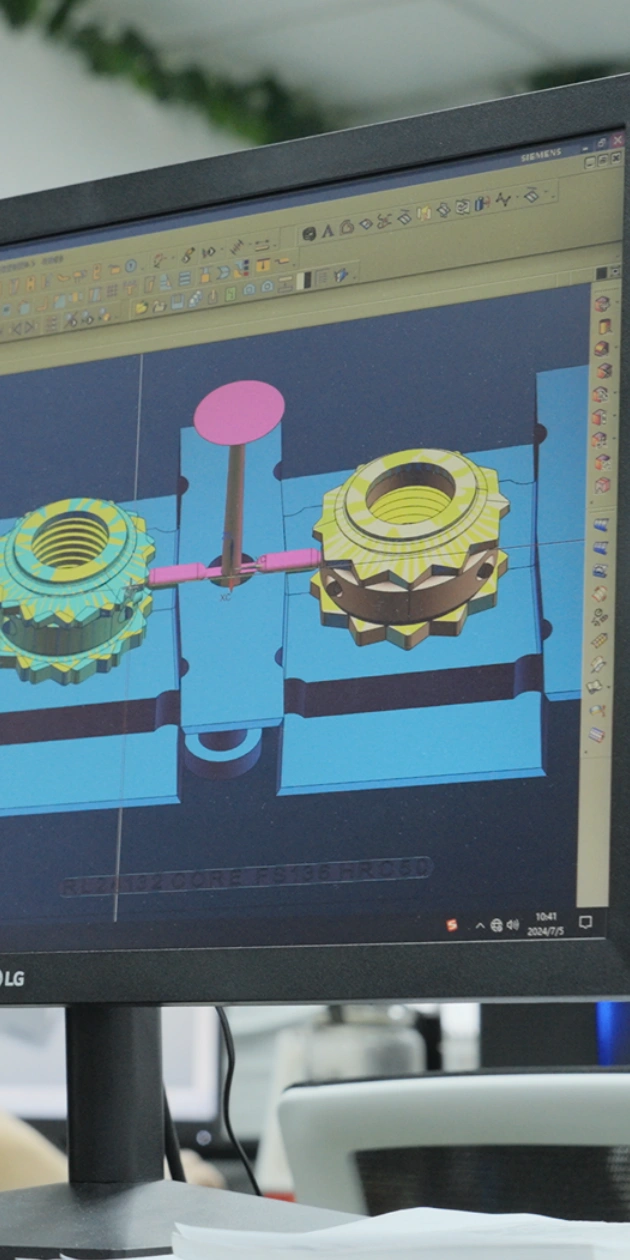
DESIGN
The review considers substrate geometry, insert retention, material compatibility, bonding requirements, shutoffs, tolerances, and expected use conditions.
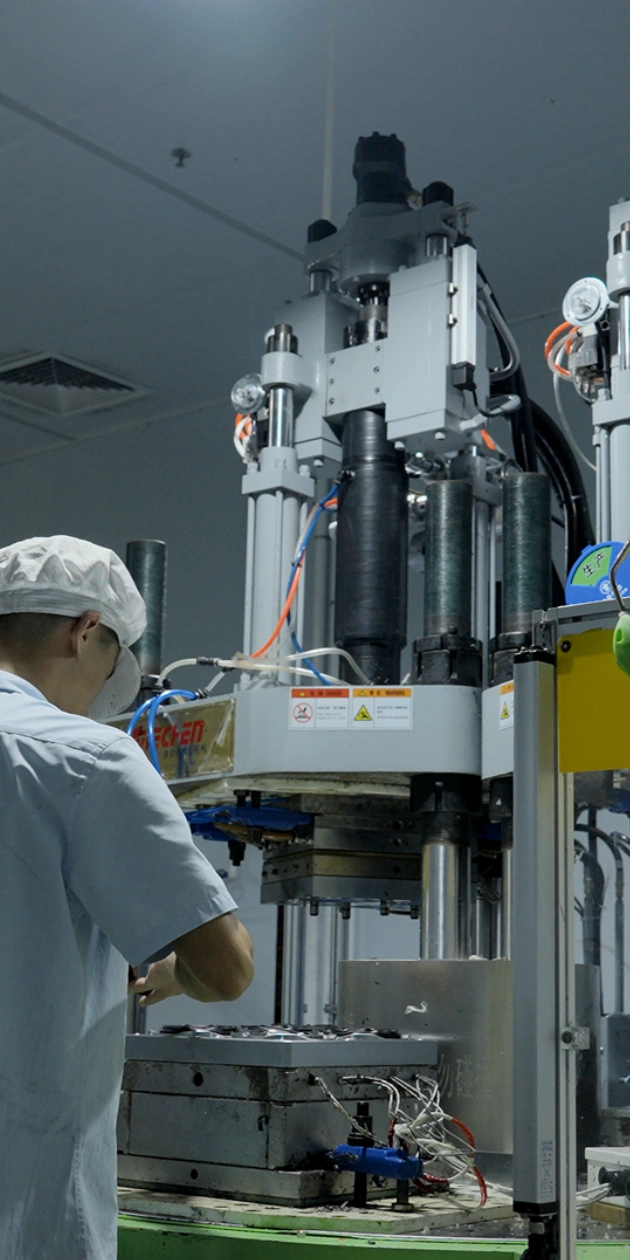
MANUFACTURING
Tooling and process planning address insert location, handling, molding sequence, material flow, sealing surfaces, and repeatable placement during production.
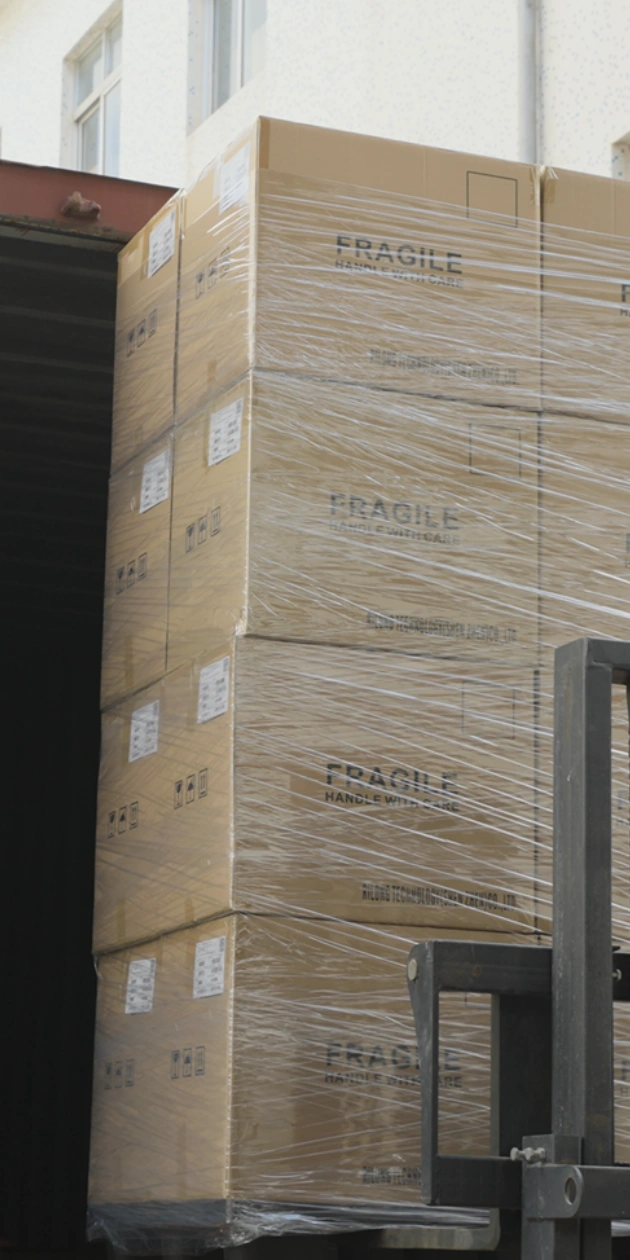
FULFILLMENT
Parts are checked against defined dimensional, bonding, appearance, and functional requirements before packaging and shipment.
Customer-Focused Partnership
At Rilong, we design and develop new product molds based primarily on our customers’ ideas. We take pride in listening to customer feedback and implementing their innovations, ensuring that their vision is brought to life.
Leaders in Innovation
Rilong Precision Mold supports this rapid pace by developing and building advanced tools that ensure we remain at the forefront of the industry, consistently leading with innovation and excellence.