






تغطية بالصب وتغطية بالصب مع إدراج
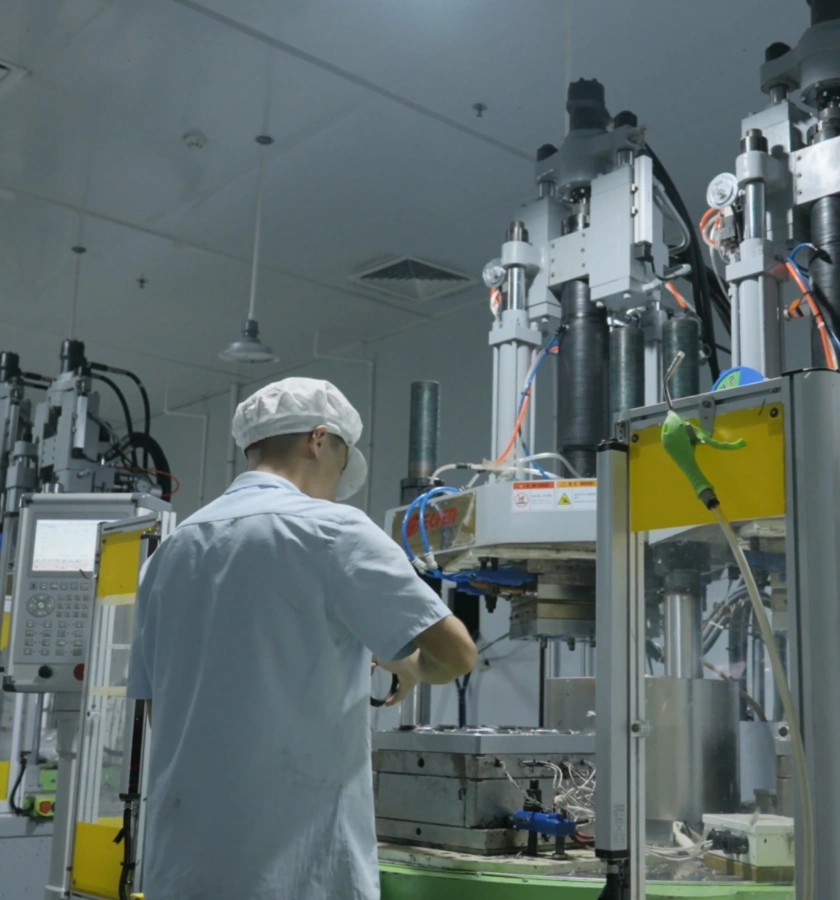
تعزيز منتجاتك من خلال التشكيل بالقولبة المفرطة
بفضل المهارات التقنية المتقدمة والمعرفة العميقة بالمواد، يمكننا التعامل مع أكثر المشاريع تعقيدًا وتحديًا.
Overmolding & Insert Molding of Exquisite Quality
مواد التشكيل بالصب الزائد والتشكيل بالإدخال
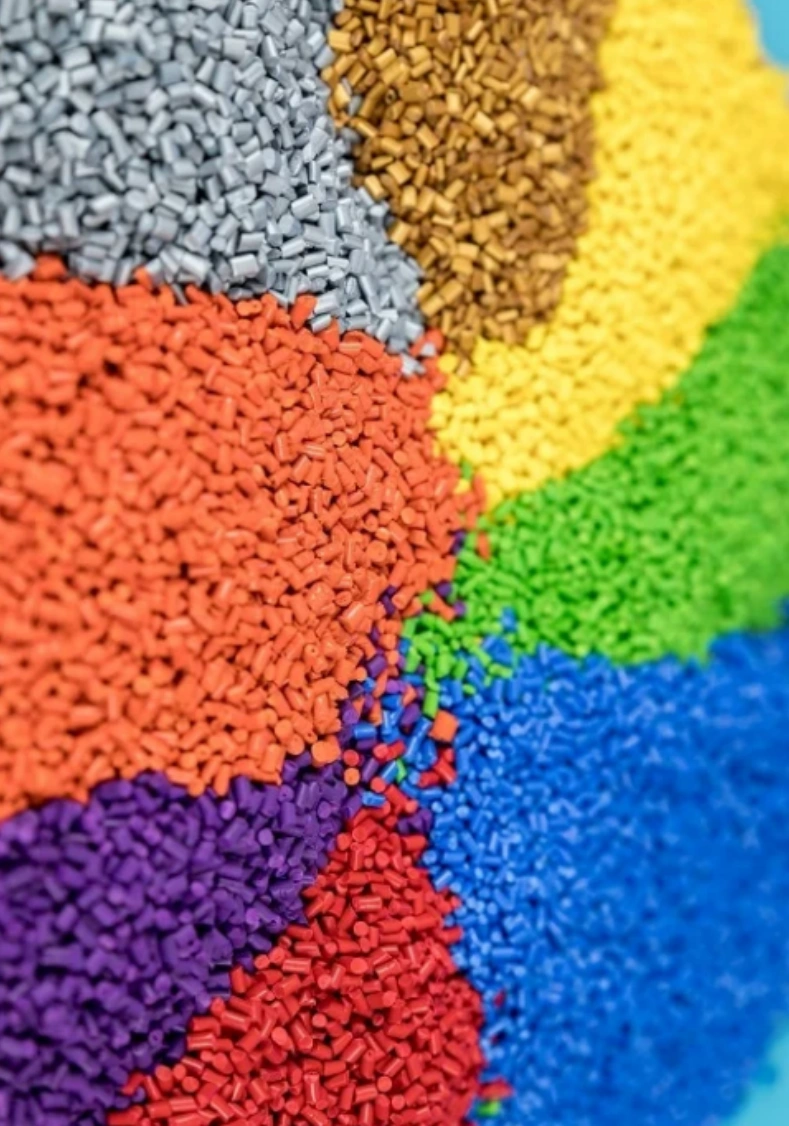
المواد العامة المدرجة أدناه مخصصة للتشكيل بالصب الزائد والبلاستيك المُدخل المُخصص.
فيما يلي المواد العامة للتشكيل بالصب الزائد بالإطارات المطاطية والتشكيل بالإدخال:
إذا لم تكن المواد القياسية تفي بمتطلبات الأجزاء المخصصة لقولبة الحقن، يمكن أن تعزز الإضافات والألياف خصائص المواد.
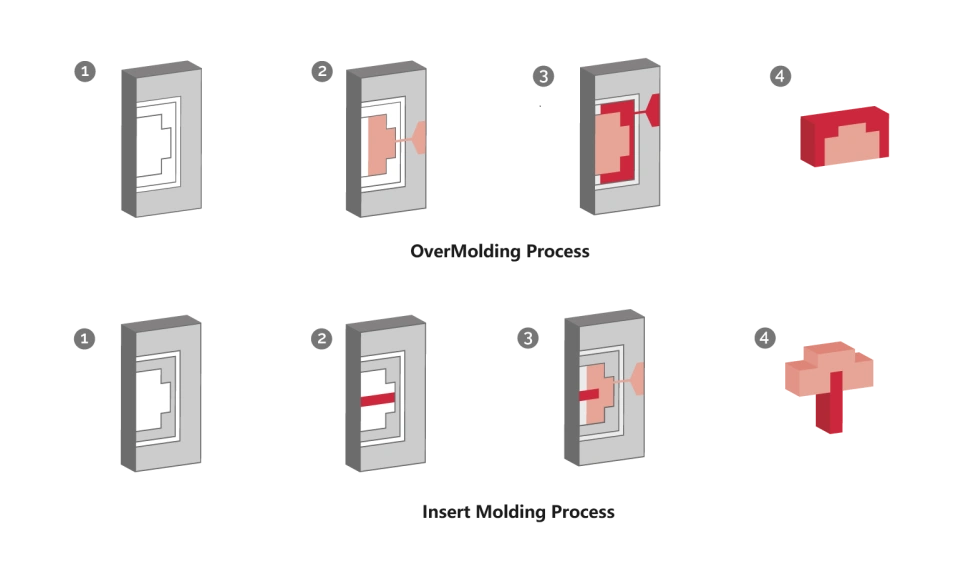
القولبة المفرطة مقابل القولبة بالإدخال
تعد عمليات القولبة المفرطة والإدخال تقنيات متخصصة في حقن القوالب تُستخدم لدمج مواد أو مكونات متعددة في جزء واحد مصبوب.
القولبة المفرطة
تُستخدم تقنية التشكيل بالصبغة لإضافة طبقة من المادة فوق جزء موجود لتحسين الشكل الجمالي أو القبضة أو الوظيفة. بعد تشكيل الأجزاء الأساسية، يتم وضعها يدويًا في قالب الصبغة للتشكيل باستخدام البلاستيك الحراري أو المطاط السائل.
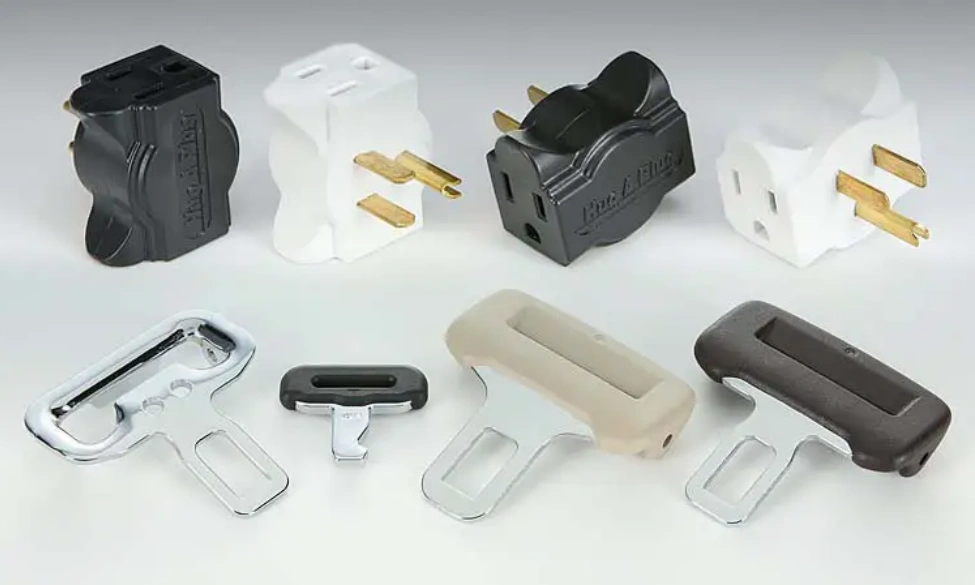
تُستخدم عادةً في مقابض الأدوات، أغطية الأجهزة الإلكترونية، فرش الأسنان، وشفرات الحلاقة. وهي مثالية لصنع أجزاء ذات طبقة خارجية ناعمة ومرنة فوق قاعدة صلبة.
القولبة بالإدخال
تشبه القولبة بالإدخال العملية السابقة، ولكنها تتضمن استخدام جزء مُشكل مسبقًا، غالبًا مصنوع من المعدن، يتم وضعه داخل القالب. ثم يتم قولب هذا الجزء المسبق باستخدام راتنج بلاستيكي حراري لإنشاء المكون النهائي.
تناسب التطبيقات التي تتطلب قوة وتوصيلية، مثل المكونات الكهربائية، قطع السيارات، والأجهزة الطبية. تُستخدم لتعزيز السلامة الهيكلية والمتانة للمنتج النهائي.
Overmolding Capabilities at a Glance
One manufacturing partner for design review, moldmaking, material selection, molding, inspection, assembly, and shipment.
القولبة المفرطة
Rigid substrates combined with TPE, TPU, silicone, or a second compatible resin for grip, sealing, cushioning, insulation, protection, or appearance.
القولبة بالإدخال
Metal inserts, threaded components, contacts, magnets, sensors, or other prepared components positioned and encapsulated during molding.
Production Support
DFM, prototype and production tooling, process development, dimensional inspection, bonding checks, assembly, packaging, and repeat orders.
How an Overmolding or Insert Molding Project Works
Early review of geometry, materials, and interfaces helps reduce tooling changes and production risk.
1. Review
We review the 3D model, substrate or insert, material requirements, annual volume, appearance, tolerances, and use environment.
2. Engineer
DFM covers bonding, mechanical retention, shutoffs, insert location, wall thickness, gates, venting, shrinkage, and handling.
3. Validate
After tooling and sampling, parts are evaluated against agreed dimensional, visual, bonding, sealing, and functional criteria.
4. Produce
Approved settings and inspection requirements support repeatable molding, secondary operations, packaging, and delivery.
What to Send for an Accurate Quote
- 3D CAD files (STEP preferred) and a 2D drawing with critical tolerances
- Substrate, overmold resin, or insert specifications—and any required material certifications
- Expected annual volume, order quantity, colors, textures, and cosmetic requirements
- Bonding, pull-out, sealing, electrical, temperature, chemical, or other functional requirements
- Target schedule plus any assembly, inspection, packaging, or shipping requirements
Overmolding and Insert Molding FAQ
What is the difference between overmolding and insert molding?
Overmolding adds one molding material over a previously molded substrate. Insert molding places a prepared component—often metal, electronic, or another solid part—into the mold so resin forms around it. Some products use both approaches.
How do you choose compatible overmolding materials?
Selection depends on chemical adhesion, processing temperatures, shrinkage, hardness, use environment, regulatory needs, and whether the design uses mechanical interlocks. Material pairing should be reviewed before tooling is finalized.
Can you mold around threaded metal inserts or electronic components?
Yes, when the insert can tolerate molding pressure and temperature and its geometry supports secure positioning and sealing. We review retention, orientation, flash control, handling, and inspection requirements during DFM.
How is bond strength verified?
The acceptance method depends on the product. It may include visual inspection, peel or pull testing, torque or push-out testing, leak testing, dimensional checks, or a customer-defined functional test.
Can Rilong build the mold and manufacture the finished parts?
Yes. Rilong supports mold design and manufacturing, sampling, process validation, production molding, inspection, secondary operations, assembly, packaging, and shipment from one manufacturing team.
From Multi-Material Design to Finished Assembly
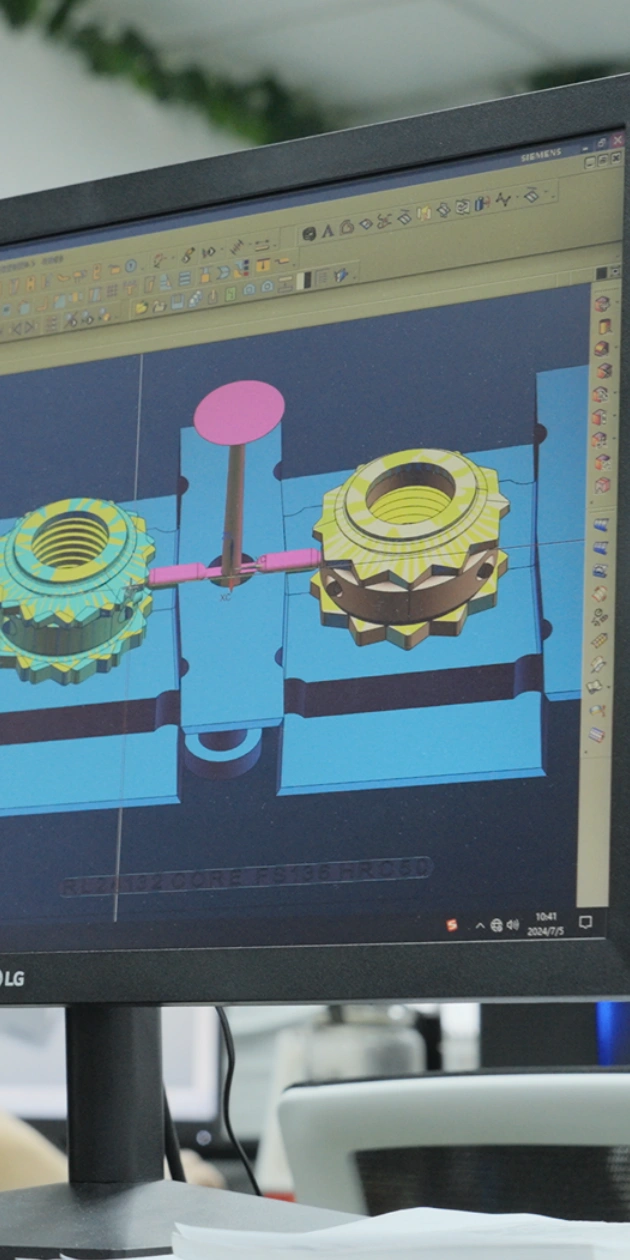
التصميم
The review considers substrate geometry, insert retention, material compatibility, bonding requirements, shutoffs, tolerances, and expected use conditions.
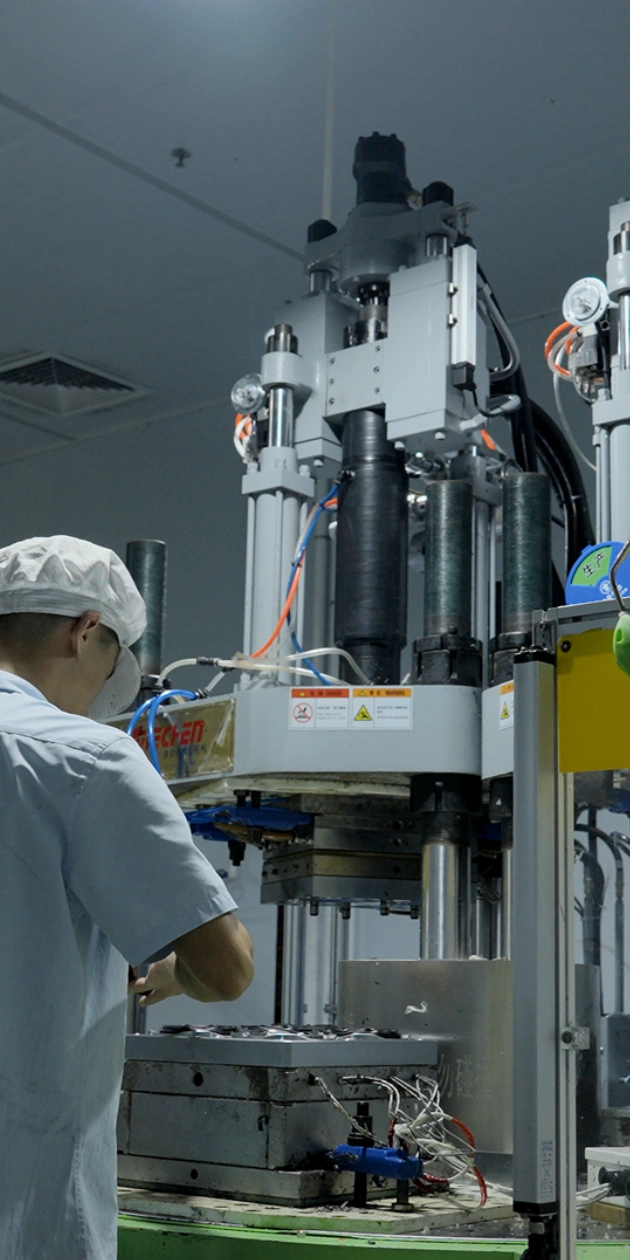
التصنيع
Tooling and process planning address insert location, handling, molding sequence, material flow, sealing surfaces, and repeatable placement during production.
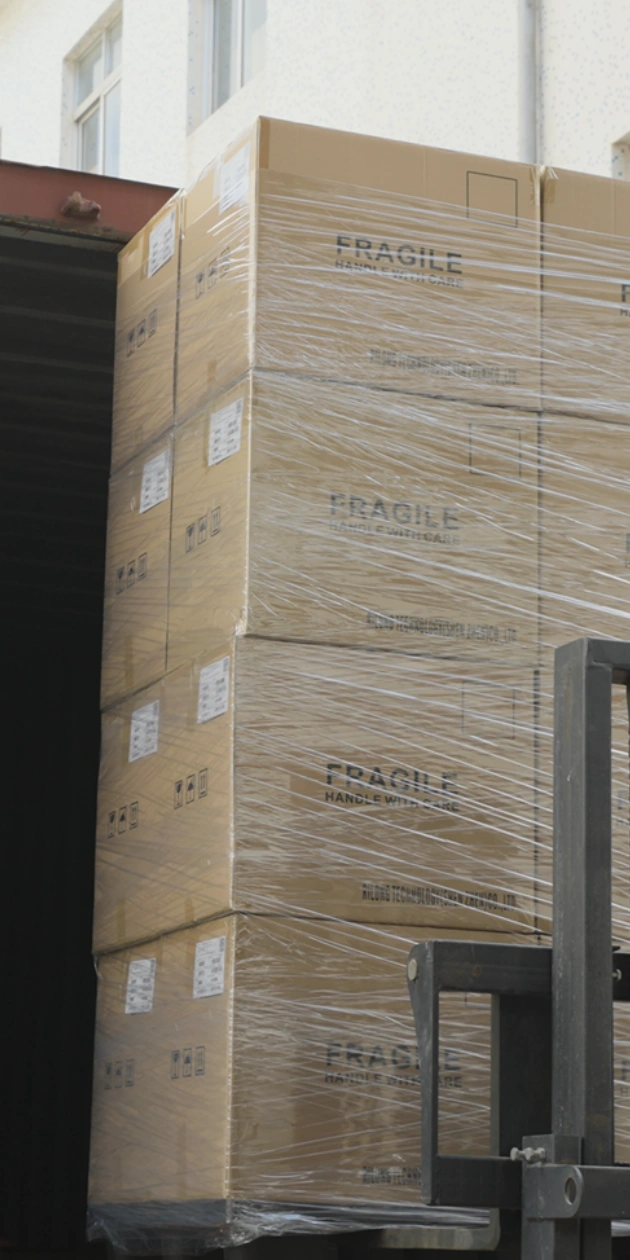
التنفيذ
Parts are checked against defined dimensional, bonding, appearance, and functional requirements before packaging and shipment.
شراكة تركز على العميل
في ريلونغ، نقوم بتصميم وتطوير قوالب منتجات جديدة بناءً بشكل أساسي على أفكار عملائنا. نحن نفتخر بالاستماع إلى ملاحظات العملاء وتنفيذ ابتكاراتهم لضمان تحقيق رؤيتهم.
رواد الابتكار
تدعم شركة ريلونغ للمعدات الدقيقة هذا الإيقاع السريع من خلال تطوير وبناء أدوات متقدمة تضمن بقائنا في طليعة الصناعة، ونقود الابتكار والتميز باستمرار.