






التشكيل بالصب الإضافي وتشكيل الإدراج
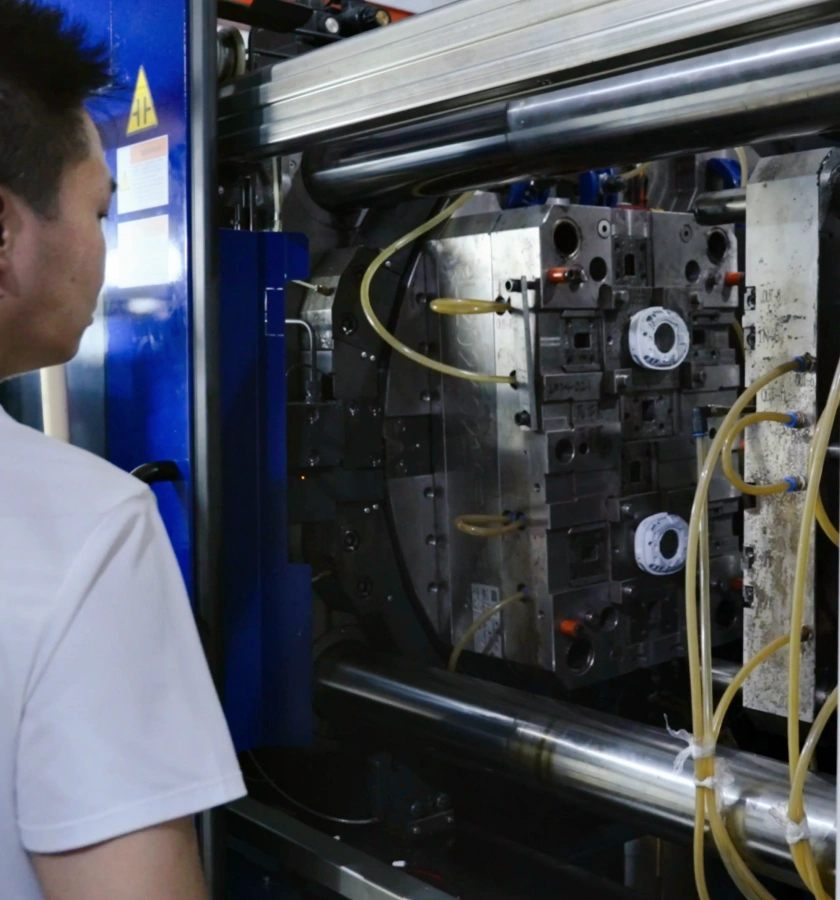
Efficient, Repeatable Two-Shot Injection Molding
تتخصص ريلونج في الحقن متعدد وثنائي اللقطات، وهي طريقة فعالة من حيث التكلفة لإنتاج أجزاء بلاستيكية مخصصة بمواد أو ألوان متعددة في عملية واحدة. لدينا خبرة واسعة في تصميم وتصنيع القوالب عالية الجودة لتلبية مجموعة واسعة من التطبيقات.
قولبة بلاستيكية فاخرة بجودة راقية
Materials for Two-Shot & Multi-Shot Injection Molding
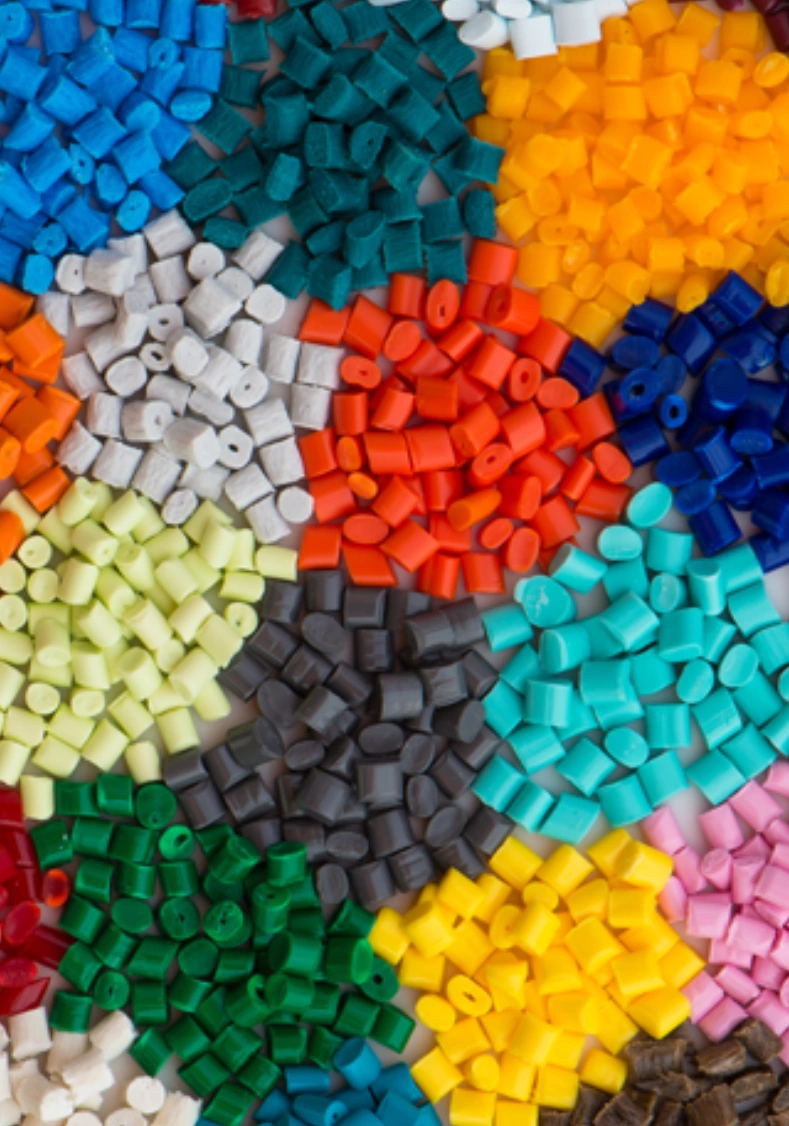
المواد العامة المدرجة أدناه مخصصة للتشكيل بالصب الزائد والبلاستيك المُدخل المُخصص.
فيما يلي المواد العامة للتشكيل بالصب الزائد بالإطارات المطاطية والتشكيل بالإدخال:
أنواع مختلفة من القوالب لتلبية احتياجات العملاء
| الميزة الأساسية | CNC machining, moldmaking, and injection molding |
| مواد المنتج | ABS, PC, PA6, PA66, PC+ABS, POM, PA6+10GF, Nylon, PE, PVC, PE, PVC, TPE, TPU, TPV, PET, PEI, LCP, PS, POM, ASA, HDPE, PEEK, PPS, |
| تشطيبات المنتج | Silkscreen, Hand oil coating, Laser etching, Spraying, Glossy coating, Matte Coating, UV Painting, Pad printing, Chrome Plating, Nickel Plating, Non-conductive, Vacuum Metallization, EMI coating, etc. |
| معيار القالب | DME, HASCO, and Chinese domestic standards |
| نظام العداء | Hot runner and cold runner, YUDO hot runner |
| دورة حياة القالب | 50k-1000k طلقة |
| تشطيبات القالب | Normal Polishing (SPI B1-B3), High Polishing (SPI A1-A3), VDI Texturing, YS1281 Texturing, EDM, Sandblasting Grinding |
| معلومات الاستفسار | 2D: DWG, DXF, PDF 3D: STEP, IGES, X_T, PRT, SLDPRT Physical Samples or the size of the multi-angle pictures |
| معدات الأدوات المتقدمة | ◆ 8 Advanced CNC machines: Charmilles, Seiki, MITSUBISHI ◆ 4 Advanced EDM: CHARMILLES, SODICK ◆ 2 Advanced WEDM: CHARMILLES, SODICK |
| معيار الفحص | FAI (First Article Inspection), Dimension Report, Outgoing products inspection report |
Two-Shot Injection Molding Capabilities
Two-shot molding—also called 2K, double-shot, dual-shot, or multi-material injection molding—forms two compatible resins or colors in a controlled sequence without removing the first shot from the production system.
Multi-Material Parts
Combine a rigid structural resin with a soft-touch TPE, TPU, or other compatible second material for grips, seals, buttons, vibration control, or protection.
Multi-Color Parts
Create permanent color separation, symbols, indicators, logos, or contrasting cosmetic zones while reducing printing, painting, and manual assembly.
Integrated Functions
Mold living hinges, light guides, soft interfaces, sealing lips, non-slip surfaces, flexible features, or clear and opaque zones into one finished component.
Two-Shot Mold Engineering: What Makes the Tool Different
A 2K mold must maintain alignment and protect the first-shot geometry while the second material is injected. The mold concept is selected around part geometry, resin behavior, production volume, machine configuration, and automation requirements.
Rotary-Platen Mold
The mold half or machine platen rotates—commonly 180°—to move the first shot to the second cavity position. This is a widely used solution for repeatable, higher-volume two-shot production.
Index-Plate or Core-Rotation Mold
An index plate, rotating core, or movable mold component transfers the first shot when rotating the entire mold half is impractical or the part geometry requires another transfer method.
Core-Back Mold
A slide or core retracts after the first shot to create space for the second resin. Core-back can suit selected geometries without transferring the first shot between cavity positions.
Transfer Molding
A robot or handling system transfers the first molded component into a second cavity or mold. It offers flexibility, although cycle time, positioning, contamination, and work-in-process control require careful planning.
Critical tooling systems: independent runners and gates, reliable cavity-to-cavity alignment, protected shutoff surfaces, balanced cooling, adequate venting, controlled first-shot retention, and safe transfer or rotation. Hot-runner selection must match each resin and color-change requirement.
Design Guidelines for Reliable 2K Molded Parts
Material Compatibility
- Confirm chemical adhesion between the first and second resin.
- Compare melt temperature, heat resistance, shrinkage, and moisture sensitivity.
- Use mechanical interlocks when chemical bonding alone is insufficient.
- Validate the exact resin grades and colorants—not only the polymer families.
Part Geometry
- Provide stable shutoffs to control flash at the material boundary.
- Maintain practical wall transitions, draft, radii, and second-shot flow paths.
- Support the first shot against second-shot injection pressure.
- Plan retention so the first shot stays correctly located during transfer.
Appearance and Function
- Define color-boundary tolerances and visible gate or weld-line limits.
- Specify texture, gloss, hardness, grip, sealing, and bonding expectations.
- Identify critical dimensions affected by both molding stages.
- Agree on functional tests such as peel, leak, compression, or actuation.
Common Two-Shot Molding Defects and Engineering Controls
| Risk | What It Can Indicate | Typical Engineering Focus |
|---|---|---|
| Weak bonding or delamination | Incompatible grades, contamination, low interface temperature, or insufficient contact area | Material validation, drying, interface design, temperature control, and mechanical retention |
| Flash at the color/material boundary | Shutoff wear, poor support, misalignment, excessive pressure, or first-shot variation | Precision shutoffs, rigid support, alignment control, and stable first-shot dimensions |
| Short shot or trapped gas | Restricted second-shot flow, inadequate venting, premature freeze-off, or poor gate location | Flow analysis, gate sizing, venting, wall review, and process-window development |
| First-shot deformation | Second-shot pressure or temperature exceeds the substrate’s support or heat resistance | Cavity support, resin selection, cooling balance, transfer timing, and injection profile |
| Color bleed or contamination | Insufficient purging, thermal degradation, runner dead spots, or material handling issues | Runner design, purge procedure, residence-time control, and disciplined material handling |
| Transfer or registration mismatch | Part movement, inconsistent retention, tooling alignment, or automation variation | Datums, retention features, transfer repeatability, sensors, and preventive maintenance |
Process validation should establish a practical molding window rather than relying on a single nominal setting. Depending on the application, inspection can include dimensional reports, appearance standards, bond or peel tests, leak tests, hardness checks, and functional verification.
From DFM to Validated Two-Shot Production
1. Requirements Review
Review CAD, resin grades, color and texture zones, function, tolerances, expected volume, machine concept, testing, and regulatory needs.
2. DFM and Mold Concept
Define shot sequence, transfer method, parting lines, shutoffs, retention, gates, runners, venting, ejection, cooling, and automation interfaces.
3. Tool Build and Sampling
Manufacture and inspect the mold, sample both stages, document findings, tune the process, and complete agreed corrections before approval.
4. Validation and Production
Confirm approved parts and process settings, establish inspection controls, then proceed with production, secondary operations, packaging, and shipment.
What to Send for a Two-Shot Molding Quote
- 3D CAD in STEP format plus a 2D drawing with critical tolerances and datums
- Exact resin grades, colors, hardness, texture, appearance, and compliance requirements
- Clear identification of first-shot and second-shot regions and the intended bond interface
- Annual volume, order quantity, target cycle or cost, project schedule, and destination
- Bonding, sealing, peel, compression, dimensional, cosmetic, or functional acceptance criteria
- Any preferred mold standard, machine information, hot-runner brand, automation, inspection, assembly, or packaging requirements
Two-Shot and Multi-Shot Injection Molding FAQ
What is two-shot injection molding?
Two-shot injection molding produces one component with two sequential injections, usually using two injection units. The first shot remains accurately positioned while the tool or a mold element transfers to the second cavity condition, where the next resin or color is molded.
Is 2K molding the same as overmolding?
Both combine materials, but 2K molding normally completes both shots in one integrated machine cycle using a dedicated multi-shot mold. Conventional overmolding may mold the substrate separately and place it into another mold. The best method depends on volume, geometry, materials, automation, and economics.
Which plastics can be combined in a two-shot part?
Common concepts pair a rigid thermoplastic such as ABS, PC, PC/ABS, PP, or PA with a compatible TPE or TPU, or use two colors of a related resin. Compatibility is grade-specific. Adhesion, processing temperature, shrinkage, moisture, chemical exposure, and end-use conditions must be checked before finalizing the mold.
How can bonding between two materials be improved?
Start with compatible material grades, a clean and sufficiently warm interface, suitable second-shot flow, and stable processing. Geometry can add holes, undercuts, grooves, or other mechanical interlocks when chemical adhesion needs reinforcement.
When is a rotary mold used for two-shot molding?
A rotary-platen or rotary-core approach is often used when the first shot must move precisely to a second cavity position within each cycle. Selection depends on part orientation, cavity arrangement, machine capability, transfer accuracy, cycle time, and mold size.
Does two-shot molding always cost less than assembly?
Not always. The mold and machine system are more complex, so the business case depends on production volume, cycle time, scrap risk, labor eliminated, quality improvement, and the value of integrated functions. A DFM and volume review is needed before comparing total landed cost.
Can Rilong build the 2K mold and manufacture the parts?
Yes. Rilong supports two-shot part DFM, mold design and manufacturing, sampling, process development, dimensional and functional inspection, production molding, assembly, packaging, and shipment.
From Two-Material Design to Two-Shot Production
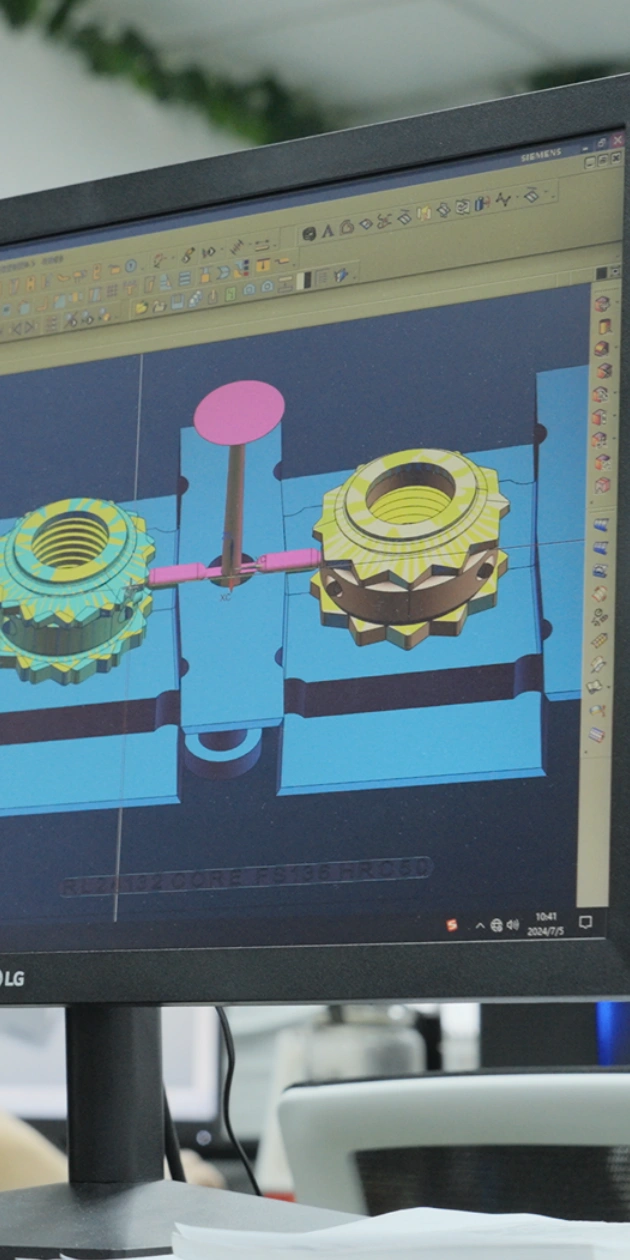
التصميم
Engineering review focuses on material compatibility, bonding, part orientation, transfer or rotation strategy, shutoffs, gating, and dimensional requirements.
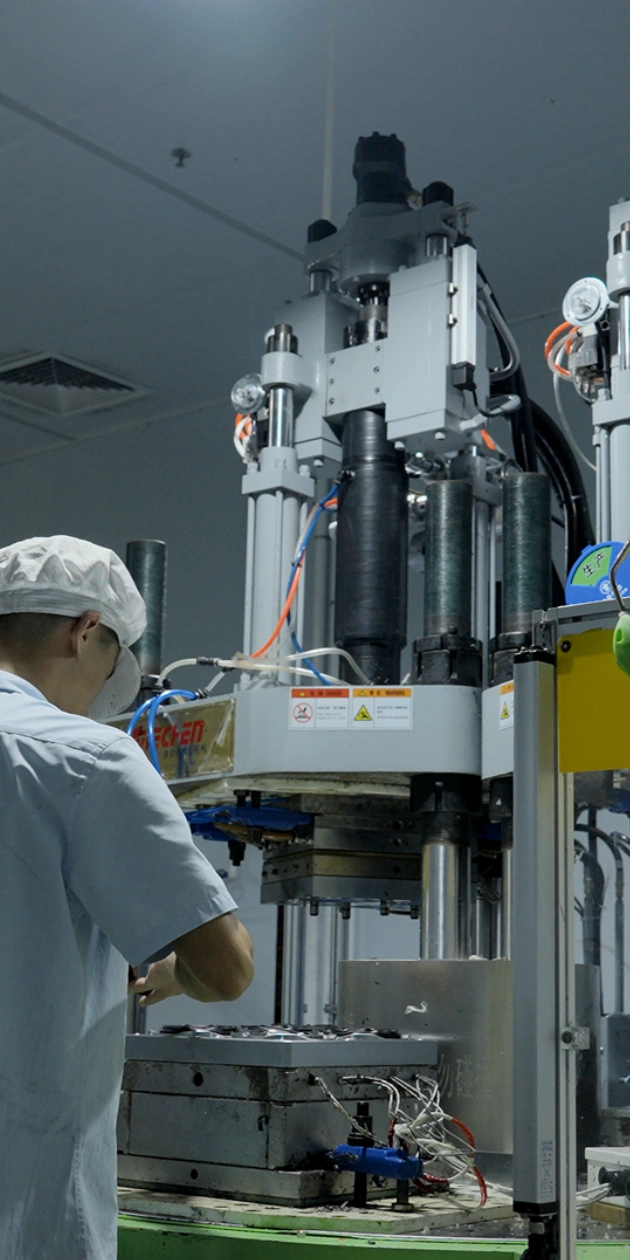
التصنيع
The mold and molding sequence are developed for controlled placement of each material or color using the selected two-shot or multi-shot process.

التنفيذ
Trial parts are evaluated against defined appearance, bonding, dimensional, and functional requirements before approved production and shipment.