






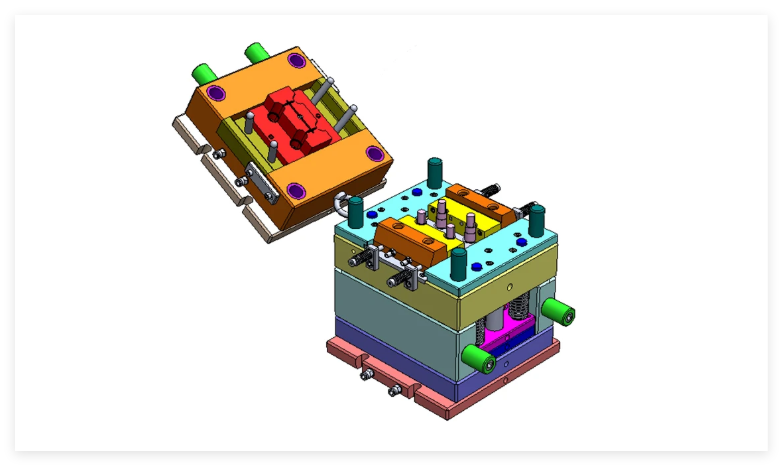

Drawing from years of project experience, We’ve summarized the following cost-reduction strategies from four dimensions: production efficiency, part design, material standardization, and maintenance optimization. We hope these insights prove valuable to industry peers.
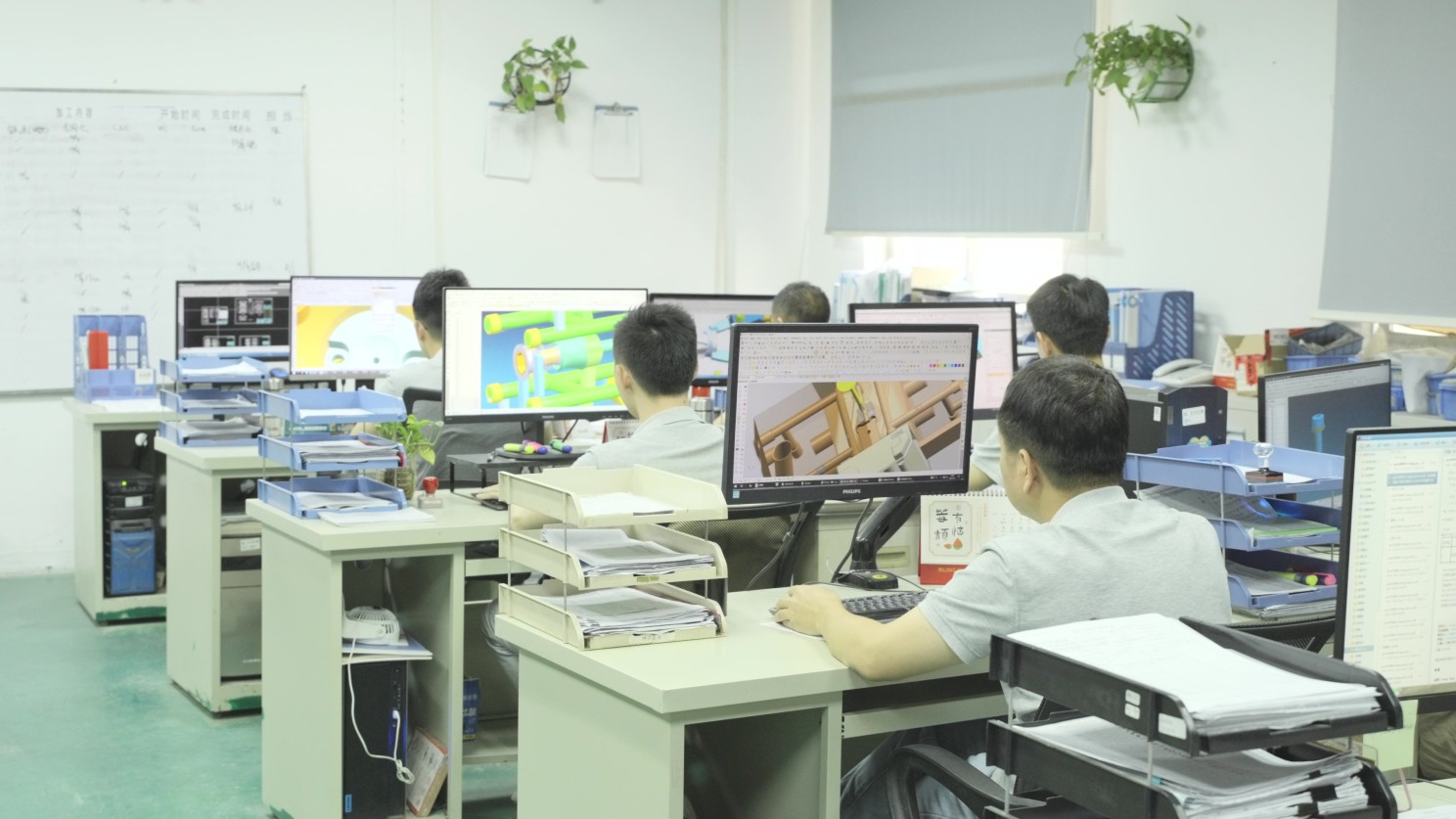
Strategy 1: Mold Structure & Production Efficiency Optimization — Maximize Output per Cycle
The core of injection molding unit cost lies in “output per unit of time.” How mold design addresses production efficiency directly impacts subsequent manufacturing costs.
1. Implement Hot Runner Systems to Minimize Waste
Compared to traditional cold runners, hot runner systems significantly reduce scrap material (sprue/runner). This not only saves resin but also eliminates the labor costs associated with regrind handling, reprocessing, and energy consumption.
2. Optimize Cavitation to Amortize Machine Hour Costs
For high-volume orders, increasing the number of cavities (multi-cavity molds) is an effective way to dilute machine hour costs. However, it’s crucial to balance cavity count with injection pressure and mold dimensions to avoid increased reject rates due to filling imbalances.
3. Design for Automatic Demolding to Reduce Labor Dependency
Incorporating features like automatic gate detachment (e.g., submarine gates, hot tip gates) and integrating robot take-out systems enables fully automated production. Reducing manual intervention not only lowers labor costs but also ensures stable, efficient manufacturing.
4. Enhance Cooling Systems to Shorten Cycle Times
Cooling often accounts for 50%-80% of the total cycle time. Implementing conformal cooling channel designs ensures more uniform temperature distribution across the mold, significantly reducing cooling time, lowering energy consumption per part, and improving machine turnover rates.
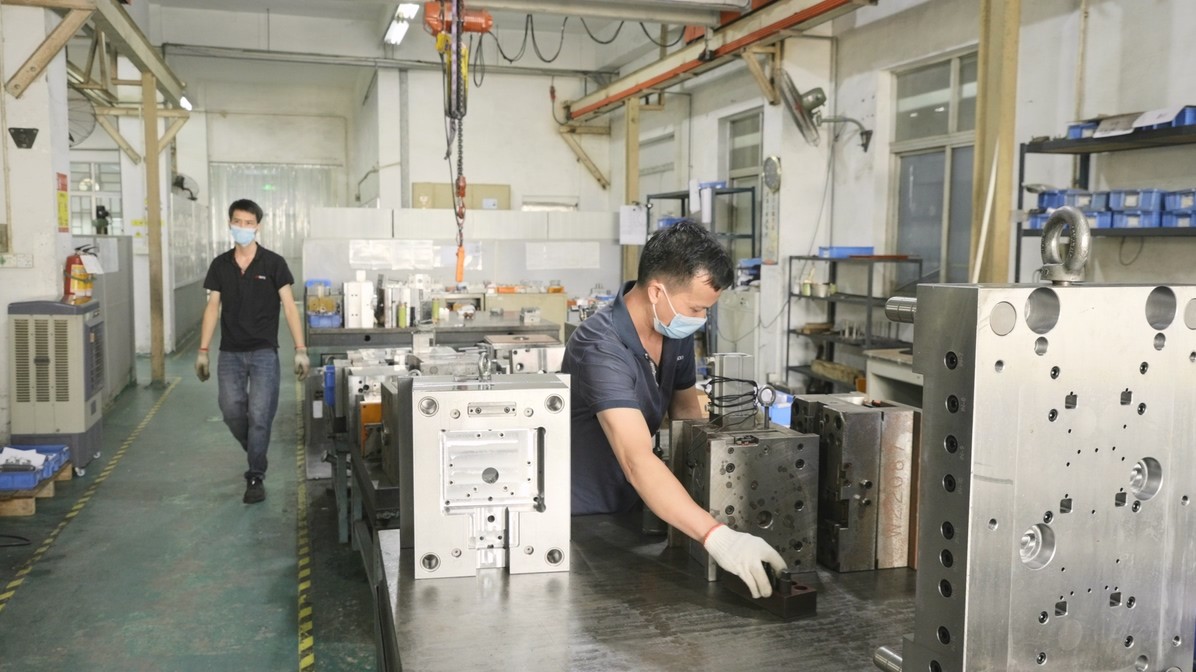
Strategy 2: Part Design & Mold Simplification — Optimize the Geometry
The product’s geometry directly dictates the mold’s complexity and manufacturing cost. “Subtracting” complexity during the design phase often yields significant returns.
1. Simplify Geometry & Minimize Undercuts
Each undercut or side-action mechanism can increase mold costs by 20%-30%. Where design specifications allow, optimizing the product structure to reduce complex actions not only lowers initial mold investment but also enhances production stability.
2. Maintain Uniform Wall Thickness to Shorten Cooling
Excessively thick walls waste material and lead to issues like uneven cooling and sink marks. Adopting uniform, thin-wall designs saves raw material and accelerates cooling, boosting output per unit time.
3. Apply Adequate Draft Angles to Prevent Ejection Issues
Sufficient draft angles reduce ejection resistance, preventing part damage (ejection marks, deformation) or mold sticking. This minimizes downtime for adjustments and improves overall efficiency.
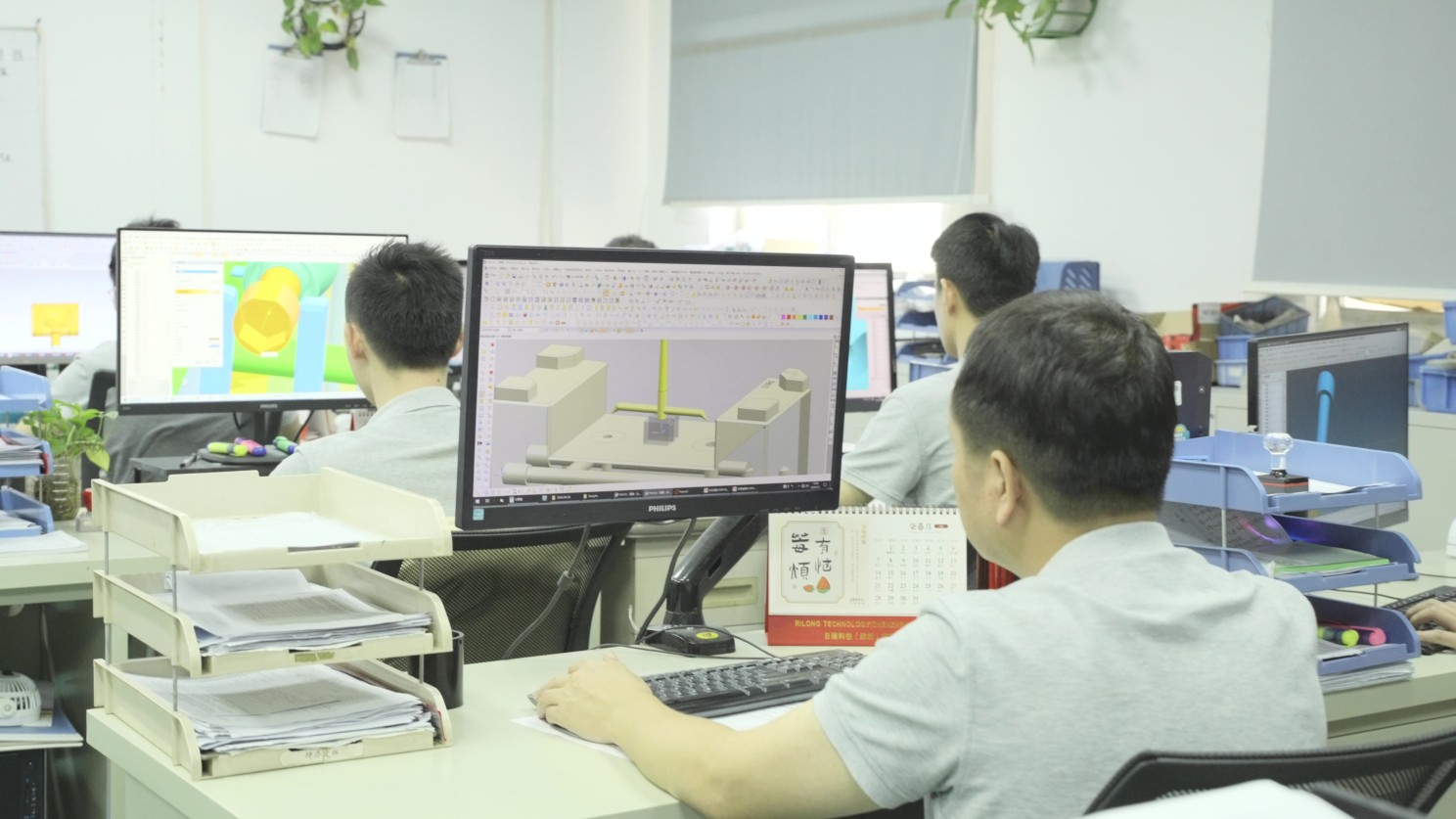
Strategy 3: Material Selection & Standardization — Leverage Commonality
Mold manufacturing costs and service life heavily depend on material choices and design versatility.
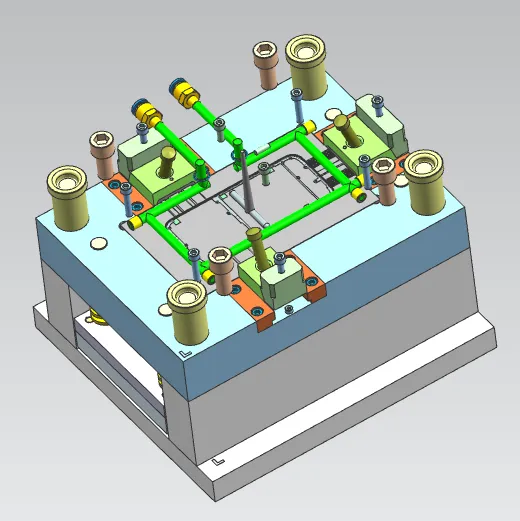
1. Select Mold Steels Based on Production Volume
Choose mold materials according to the estimated total production run: For low-volume or trial production, aluminum or pre-hardened steel can reduce upfront investment. For high-volume runs, opt for hardened steel to ensure longevity and avoid costly downtime from frequent repairs.
2. Promote Standardized Components to Reduce Maintenance Costs
Prioritize standard mold bases, ejector pins, guide pins, and other common components during design. Standardization shortens design and procurement lead times and allows for quick replacement of spare parts during maintenance, minimizing unexpected downtime.
Strategy 4: Maintenance & Quality Control Optimization — Stability Drives Profitability
Mold stability is the foundation of continuous production. Incorporating space for maintenance and interfaces for quality monitoring during the design phase prevents expensive repairs later.
1. Implement Cavity Pressure Monitoring for Real-Time QC
Integrating pressure sensors within the mold cavity enables real-time monitoring of the filling process, allowing for immediate detection of anomalies and reducing the generation of批量 scrap. This “preventive” quality control is far more economical than post-production inspection.
2. Design for Easy Maintenance to Extend Mold Life
Consider cleanability during the design stage—for example, providing adequate access to cooling circuits and avoiding narrow, hard-to-clean dead zones. Establishing a regular maintenance schedule effectively prolongs mold life and prevents delivery delays caused by unexpected failures.
#InjectionMolding #MoldDesign #CostReduction #Manufacturing #Tooling #InjectionMoldingIndustry #Efficiency #PlasticsIndustry