






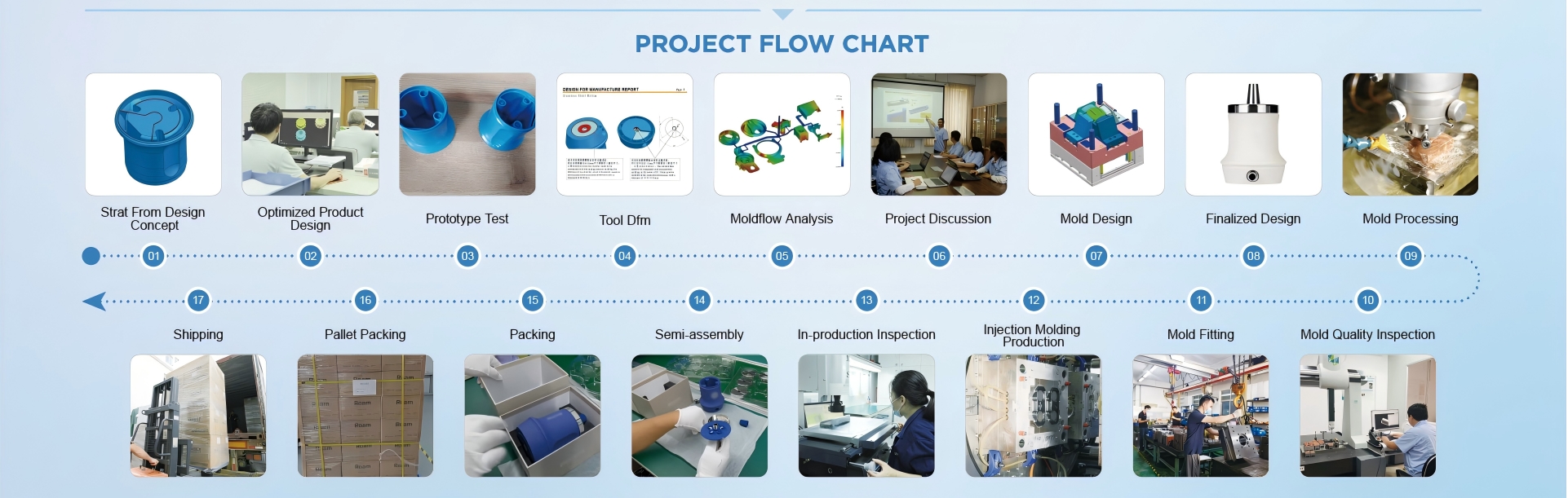

Injection mold design and production: This article explains the key design, material, process, quality, and production considerations that engineers and sourcing teams should evaluate.
An injection molding mold, also known as a tool or die, is a crucial component in the plastic injection molding process. It is responsible for shaping and forming molten plastic into the desired part. Typically, molds are manufactured using steel or aluminum to ensure strength, wear resistance, and machinability.
The production of a mold is often carried out in close collaboration between mold makers and customers. This ensures that the mold meets specific requirements in terms of:
- Design
- Fabrication
- Production of injection molds
Step 1: Computer-Aided Mold Design
Computer-aided design (CAD) is used as the first step in mold manufacturing to create both 2D and 3D mold designs. This phase is based on customer requirements, including the following factors:
- Part geometry
- Material characteristics
- Cooling requirements
- Ejection mechanisms, and
- Expected mold lifespan
Using CAD software, engineers can optimize mold structures in a virtual environment and identify potential issues in advance.
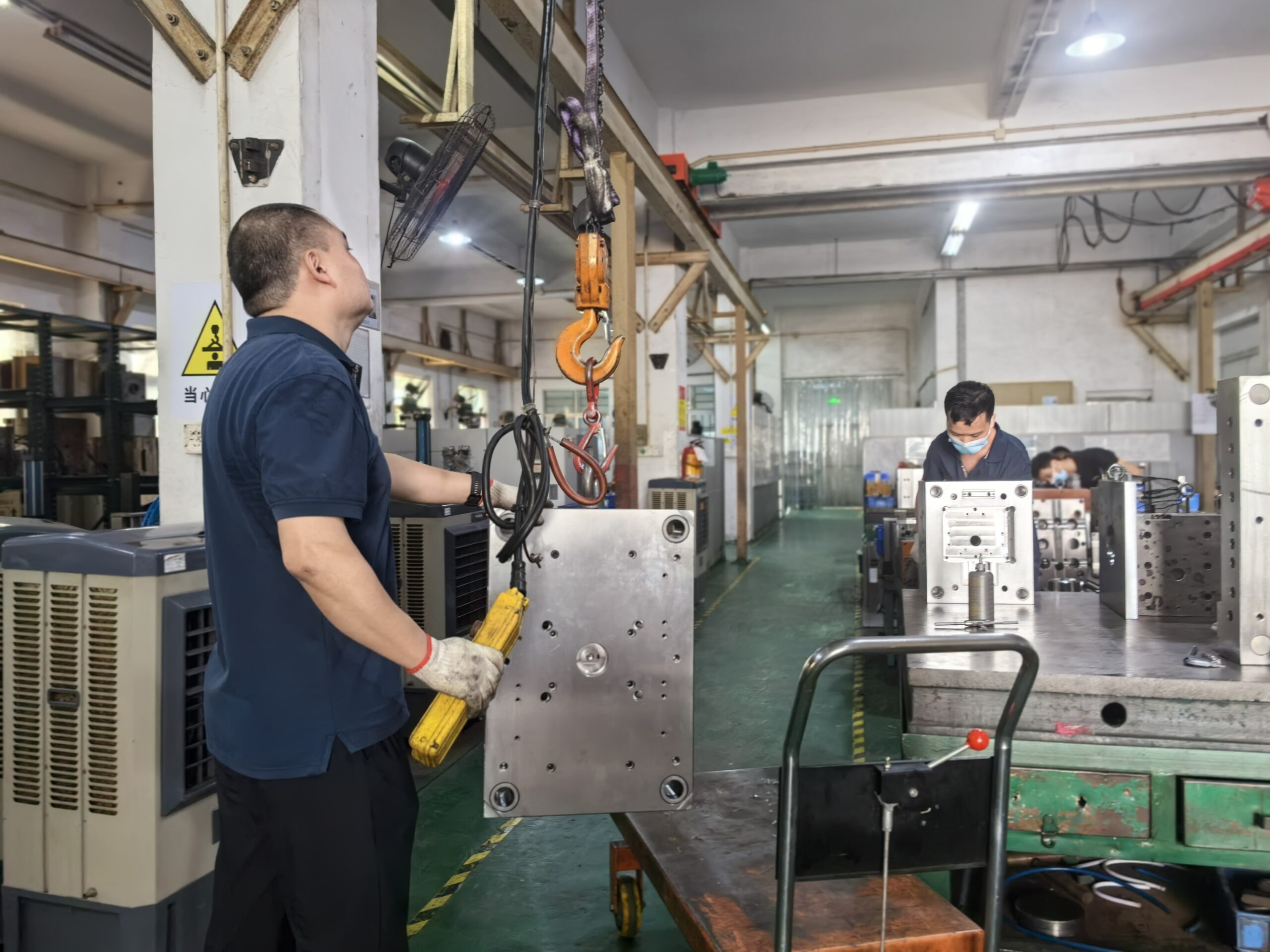
Step 2: Mold Fabrication
Once the mold design is finalized, the mold maker proceeds with fabricating the mold. During this stage, the mold maker must ensure that the finished mold does not cause defects such as:
- Air traps
- Warpage, or
- Other part defects
Through precision machining and strict quality control, the mold can consistently produce qualified injection-molded parts.
Step 3: Mold Maintenance and Repair
Throughout its service life, a mold requires regular maintenance and repair. Common maintenance practices include:
- Regular cleaning
- Lubrication, and
- Inspection
These measures are carried out to prevent excessive wear or unexpected damage, thereby extending the mold’s lifespan and ensuring consistent product quality.
Summary & Recommendations
A high-quality mold is the foundation of successful injection molding. From initial computer-aided design, through precision fabrication, to ongoing maintenance, every step plays a critical role.
It is highly recommended to fully communicate with an experienced mold maker at the early stage of mold development. Clearly defining part requirements and production goals will help achieve a mold solution that offers both performance and cost efficiency.
Would you like me to add a FAQ section or a comparison table of mold steels (e.g., P20, H13, vs. aluminum) as an extension to this blog post?